Revisiting early influence and the visual language that taught me to notice directors
To fuel my creative growth, I’ve been revisiting my primary influences and inspirations. This led me to realize that MTV (RIP) was one of my earliest fixations and deserved further exploration.
As I continue to refine my skills, I wanted to write about the music video format and what I’ve learned from countless hours spent watching them. As both a raw source of inspiration and a shift in perspective as a working creative.
MTV
Growing up in a religious household, I was forbidden from watching MTV or listening to “secular” radio. So, when I caught glimpses of pop culture, I felt like an outsider looking in.
One of my most memorable experiences was when my babysitter was supposed to be watching my sister and me, but she was watching MTV instead. I was frozen in the back of the room, watching Thriller from between my fingers.
Despite my fear, I couldn’t look away. 🫣

When MTV first started, it was a 12-hour-a-day channel. By the time I graduated high school, TRL and the music video format had become a cultural phenomenon. Along the way, shifting from a scrappy new format, moving the needle of cultural zeitgeist, to an advertising monolith serving corporate interests as a revenue machine.
Today, most music videos (when they are still made) for major label artists have larger budgets than many independent films, but this wasn’t always the case.
In the beginning, music videos were often poorly made, and truth be told, I didn’t miss much by not being allowed to watch them. Most videos involved film school students or recent graduates following a burgeoning band into the woods with fog machines or shooting in a studio with mirrors…and fog machines.

Despite the format’s initial shortcomings, the expressiveness of the music video eventually became a highly regarded part of a musician’s album promotion strategy.
Far beyond album art, it gave fans another way to connect with an artist, who may not even tour in their state, let alone town. For record labels, it was essentially a free commercial for the band that were a net positive. As an artist, it provided a visual component that could be used to tell a story or support an idea or experiment.
Throughout my adolescence, music was my sanctuary, and the accompanying videos always captivated me. I often visualized forming my own band and envisioning the video’s visual style. Occasionally, I would encounter a song by an artist and conjure a mental image of its music video. However, when I finally watched the video on TV, it often fell short of my expectations.
While financial resources are beneficial, there are numerous expensive music videos that turn out to be commercially disappointing. (For instance, see Mark Romanek’s SCREAM.) Despite my intense passion for music, I soon realized that a compelling music video can still captivate audiences even without the sound. A well-executed concept can triumph over a substantial budget.
If a video was entertaining enough, I could watch it once and leave a lasting impression on my mind. This impression would allow me to excitedly explain the video in detail to a friend later. Eventually, I noticed that the same few director’s names frequently appeared in the credits of the videos I enjoyed.
Exploring Cinema
Easy Rider 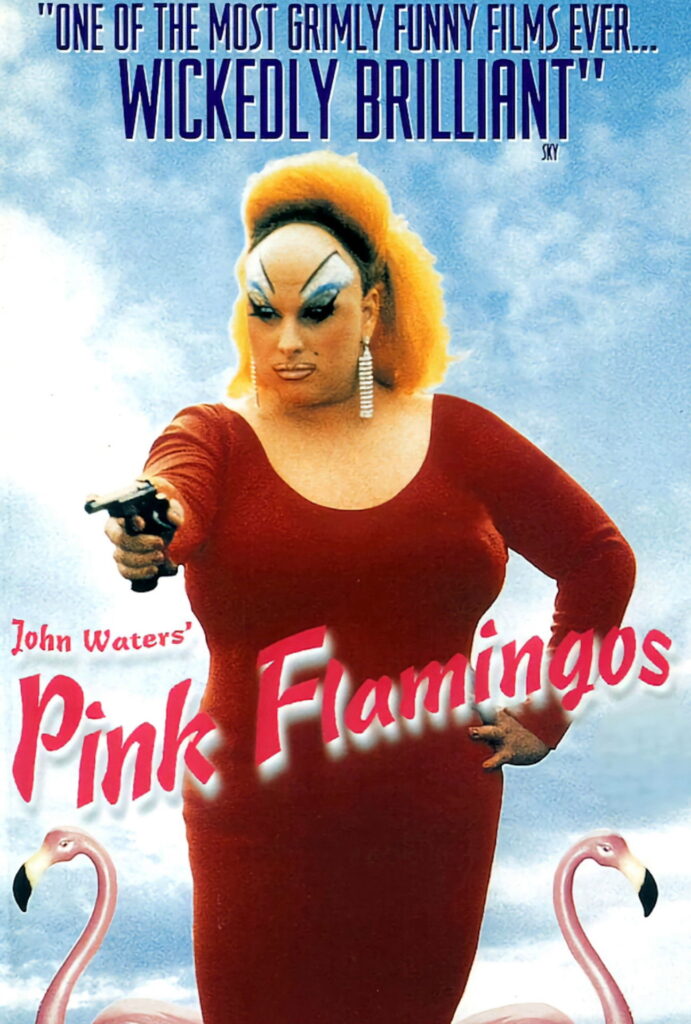
Pink Flamingos 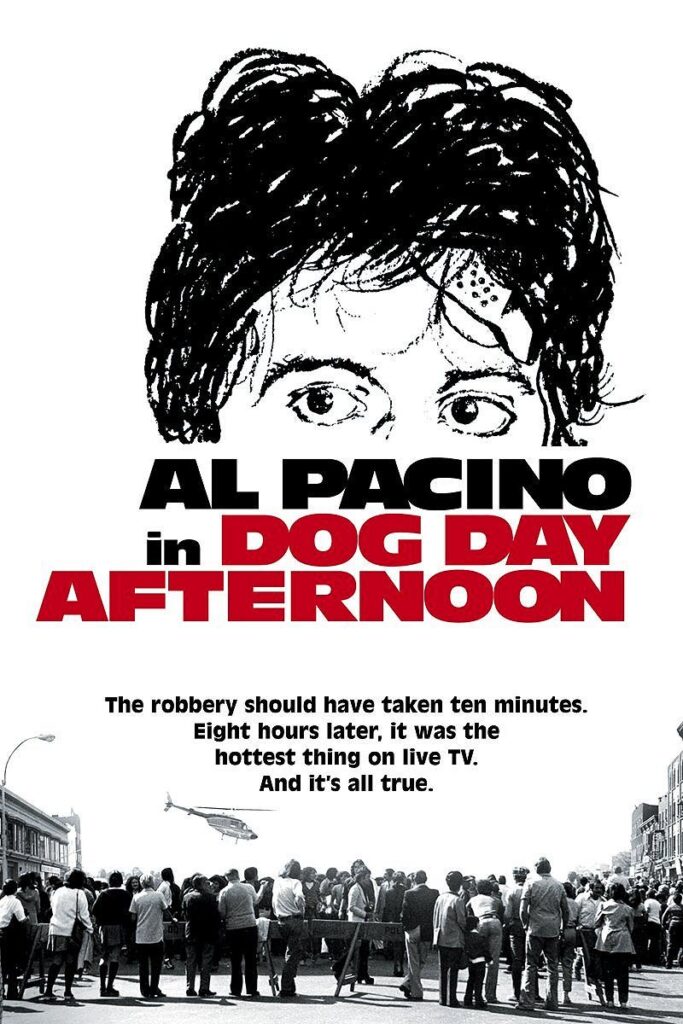
Dog Day Afternoon 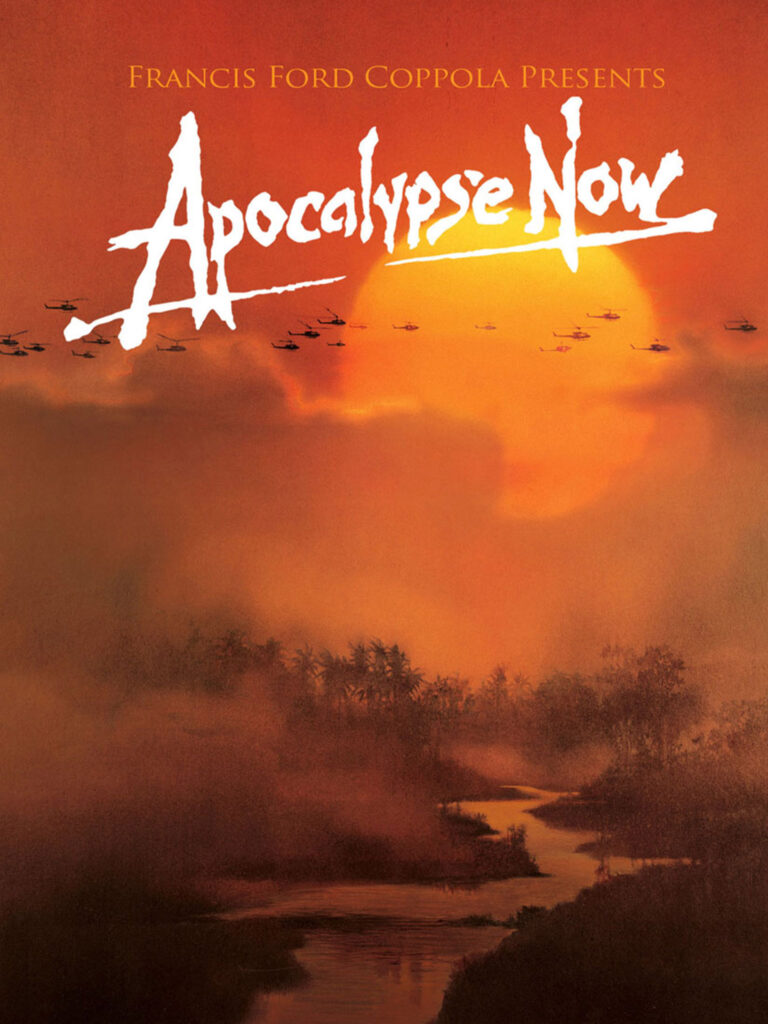
Apocalypse Now
Much like the stigma between AM and FM radio, or Skiers and Snowboarders, there was a notion that video was “less’ than film. So, it was a much-noted career path for those directors who were able to make the transition from video to film.
If I liked a director’s video, it usually meant I would check out their film. As a result, my cinematic palette expanded. Driven by my newfound passion for cinema, I embarked on a quest to research other auteur filmmakers to the best of my abilities.
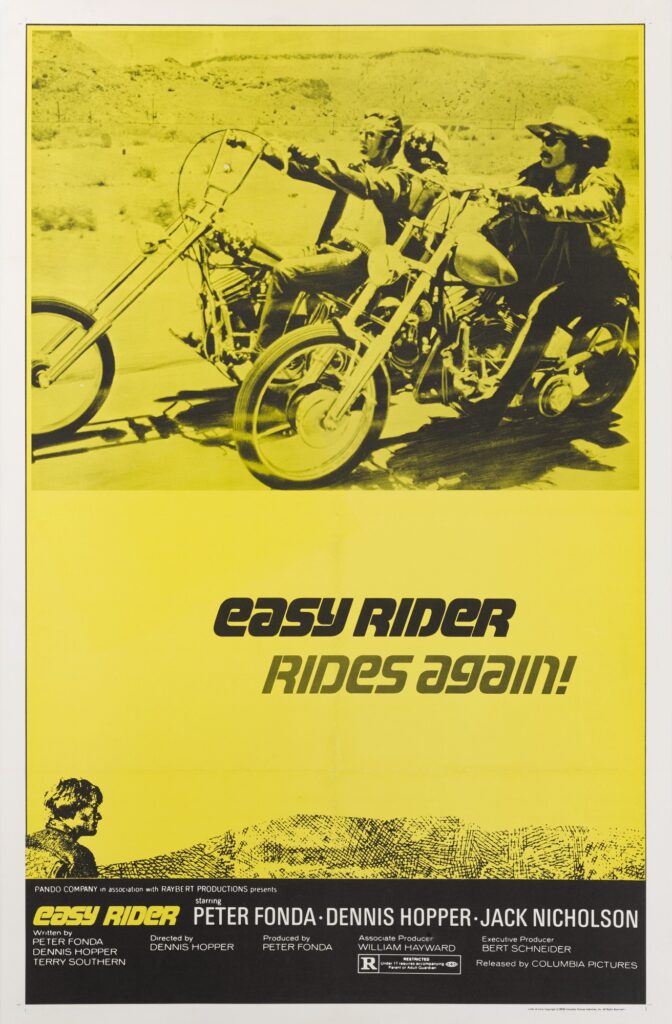
Soon, I became engrossed in experimentalism and the fearlessness of 70’s cinema. I watched Dog Day Afternoon, Taxi Driver, A Clockwork Orange, Easy Rider, and Apocalypse Now in quick succession. Between the complex moral ambiguity and sheer ingenuity, my perspective on the world had been forever altered.
Before the advent of the internet, researching movies and directors required significant effort. It involved frequent trips to video stores and even the library, and numerous conversations with fellow niche cinephiles.
Often, it meant taking long bus journeys to Seattle to rent rare tapes from Scarecrow Video. (A memorable trip to Scarecrow involved me renting John Waters Pink Flamingos. 🦩😅)
Without the convenience of YouTube, I also had to stay up late just to catch the “cool” music videos that weren’t aired or allowed to be played during regular programming.
You could often find me browsing through the pages of Y NOT Magazines, Barnes & Noble, or any mall bookstore, eagerly flipping through Fangoria, Starlog, and HEAVY METAL. (Don’t look too long or the cashier would yell at you for not buying the magazine!)
Through those magazines, I discovered that the format was an effortless way for emerging directors to build their resumes and establish themselves as artists. Even when looking behind the scenes, it still seemed like a superpower or a magical ability.
Directors DVD Series
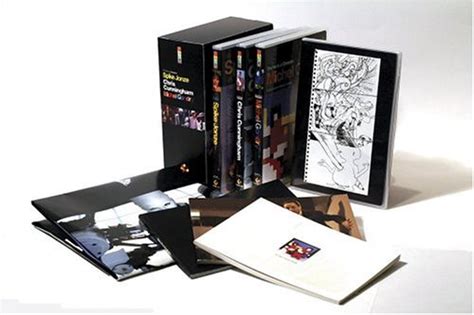
Palm Pictures Directors DVD Series
Volume 1: Spike Jonze
Volume 2: Chris Cunningham
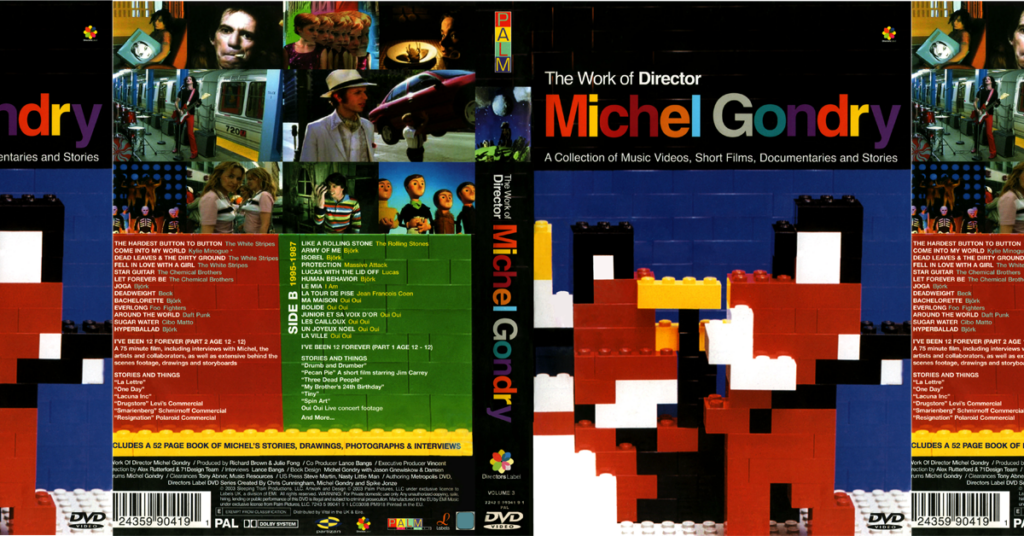
Volume 3: Michele Gondry
In 2003, I stumbled upon a magazine article about the release of the Directors Label DVD series. It was a collection of three volumes dedicated to renowned music video directors. The work contained most of the videos I had spent so much time searching for.
The day it was released, I quickly acquired my copy and meticulously examined each volume, marveling at the quirky touches, flourishes, and hidden elements in each piece. Recently, re-watching the series, it became evident how profoundly this collection has impacted me, not only as a viewer but also as a creative. In many ways, it feels like free film school.
Since its release, streaming platforms like YouTube and Vimeo have become the primary viewing choice for most audiences. Most of the videos in this collection are available for free online. However, I highly recommend seeking out the initial three volumes for anyone who is a fan of music videos or considering a career in videography or filmmaking.
Each disc offers not only high-definition versions of the visuals, which are captivating, but also a wealth of supplemental materials, including directors’ commentaries. These commentaries transform an entertaining experience into an educational and immersive one, which has only increased in value over time.
Volumes 1-3 feature Spike Jonze, Chris Cunningham, and Michel Gondry. Each disc includes commercials, short films, promos, animations, presentations, featurettes, video installations, storyboards, and interviews.
Each volume highlights the directors’ signature styles and strengths.
Spike Jonze
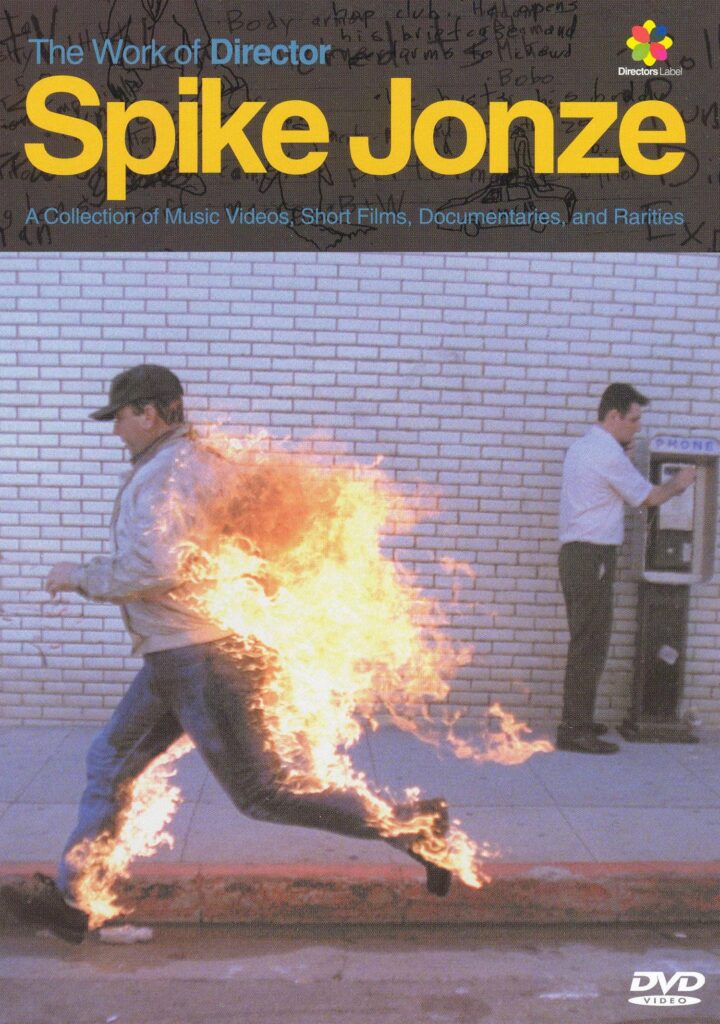
Spike Jonze’s films often immerse his subjects in a heightened dreamlike reality, filled with quirky moments. Chris Cunningham crafts technically complex visuals, frequently incorporating anatomy and robotics. Michel Gondry, on the other hand, employs old-school practical effects to explore the concept of time.
Each voice in this collection is distinct and unique, yet they all come together harmoniously. Some artists, like Beck and the White Stripes, have multiple entries with different directors. Bjork stands out as the most notable example, appearing on all three discs. Her collaborations with each filmmaker showcase how a skilled director can work with an artist while still infusing their own signature style into the artist’s vision.
Hearing each director discuss their work with Björk further deepened my respect for this incredible artist. If you had told me that Björk was a muse summoned by the art gods to inspire directors and other artists, I would have believed it. She has a collection of DVDs featuring her remarkable music videos, which are also worth mentioning but will not be covered in this article.
Directed by Spike Jonze
Volume one of the series is dedicated to director Spike Jonze, featuring his works such as Her, Where the Wild Things Are, and Being John Malkovich. Jonze is known for co-creating and producing Jackass on MTV and, more recently winning an Oscar for his film HER.
Since the release of the series, Jonze has arguably experienced the most significant upward career trajectory. As a retrospective, the disc offers a wealth of insights into not only his filmmaking skills but also his general philosophy.
An early three-minute short titled “How They Get There”, despite its brief duration, tonally aligns with much of Jonze’s video work. However, it remains one of the least known parts of his resume. Yet, it serves as the strongest indicator of his future film work. It’s remarkable to witness a career artist’s signature style in its infancy and realize that they often juggle multiple projects simultaneously.
Notable entries include “Sabotage” by the Beastie Boys and Weezer’s “Buddy Holly” video (see above). Both videos became so popular on MTV at the time of their release that they revolutionized video trends and the channel’s visual style overnight.
The “Buddy Holly” clip went viral even before the term “viral” was coined. The video features a CNN story praising its use of CGI wizardry. Jonze explains in the audio commentary how the footage was created by recreating the original soundstage and splicing in carefully edited footage from the original series Happy Days.
He further explores the concept of heightened reality in the smaller featurette with footage from the skate video YeahRight!. Using chroma keyed skate ramps, he creates an environment where athletes can perform moves that are both instantly recognizable as technically impossible and awe-inspiring to watch.
Jonze’s skill as a subtle and empathetic documentarian is also evident in the included shorts: What’s up Fat Lip?!, Amarillo by Morning, and as the leader of his fictionalized dance troupe from the Fat Boy Slim video “Praise You” in Torrance Rises.
It’s worth mentioning that one of his best videos, the Yeah Yeah Yeahs Y Control, is missing from the disc. It features murderous children, excessive profanity, and knitting. Perhaps my favorite aspect of Jonze’s work is his contagious troublemaker with a heart of gold quality that permeates his creations.
Directed by Spike Jonze
Whether he’s making the impossible seem real or embracing the banality of life, Spike Jonze’s lens always maintains a childlike innocence and curiosity, even in the most unexpected circumstances. A perfect example is his posthumous Notorious B.I.G. video, which resulted in a playful yet heartfelt homage.
Through the lens of Spike Jonze, I’ve learned to remain curious as a creator and the immense value and trust that come with keeping an audience engaged. The mundane and extraordinary can coexist in the same space. Sometimes, the first instinct is the best one, and it’s important to honor it. Other times, it’s better to take the instinct and go in the complete opposite direction.
The key to making these critical decisions is to consider the journey, as it holds equal importance as the destination.
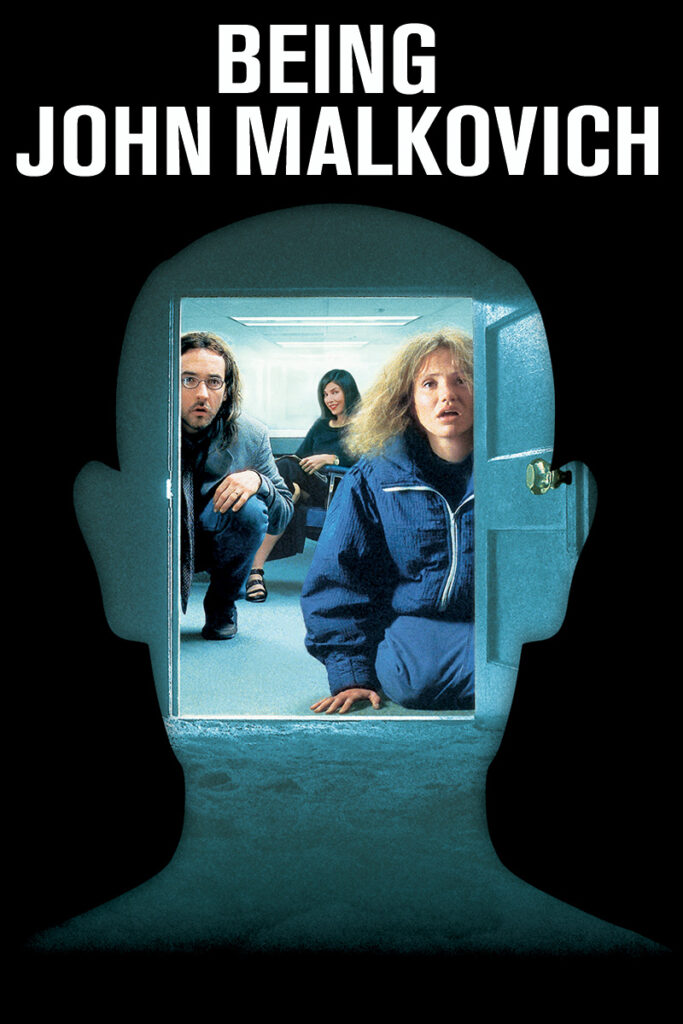
Being John Malkovich | 1999 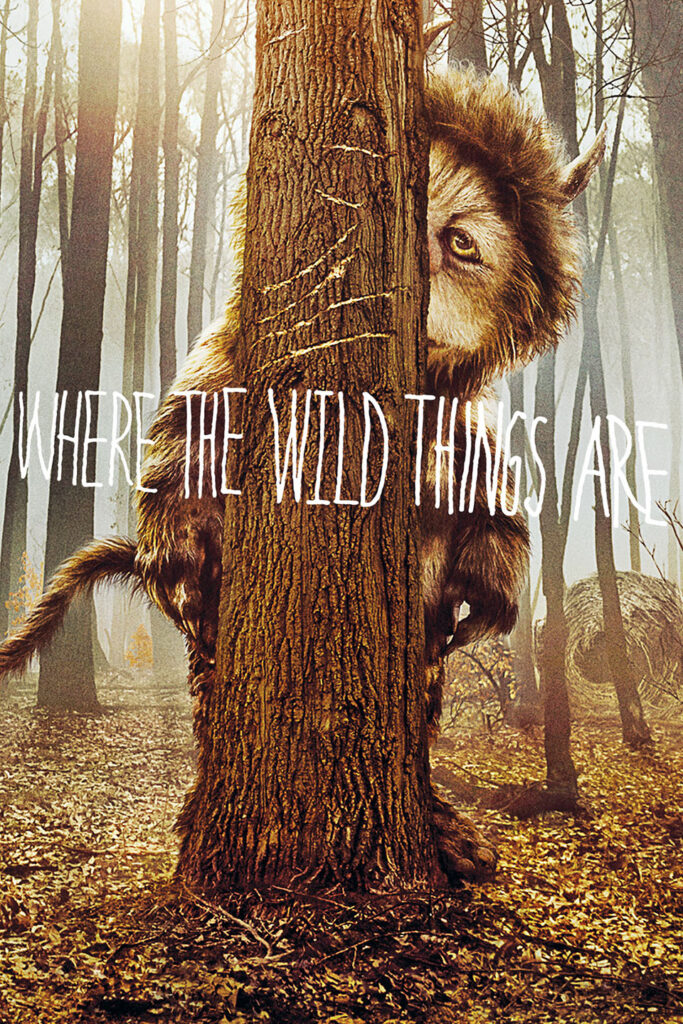
Where the Wild Things Are | 2009 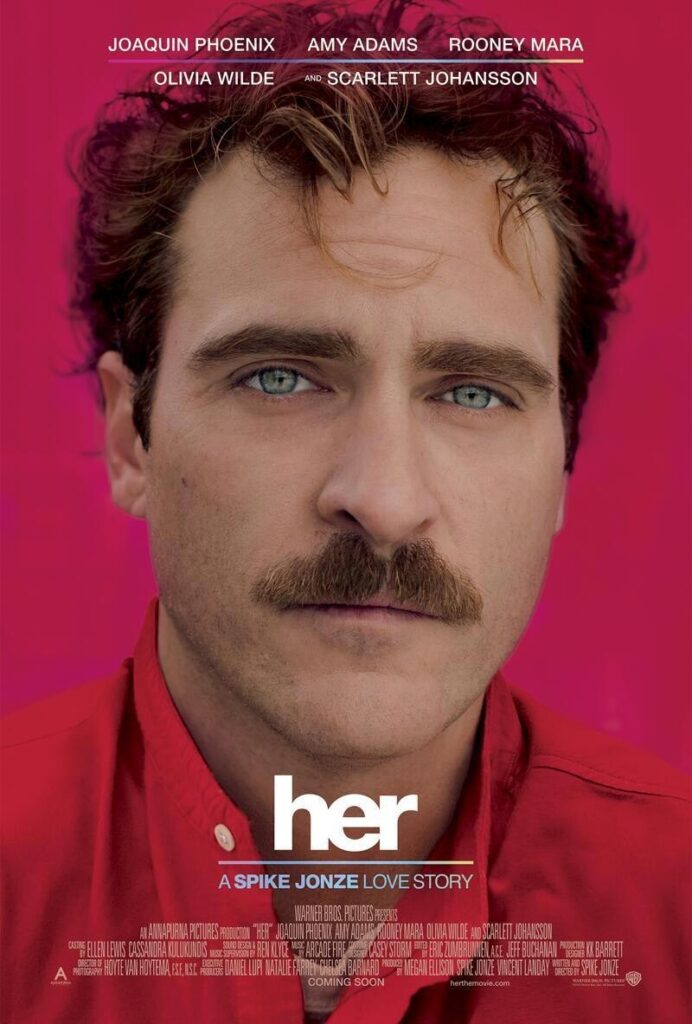
Her | 2013
Chris Cunningham
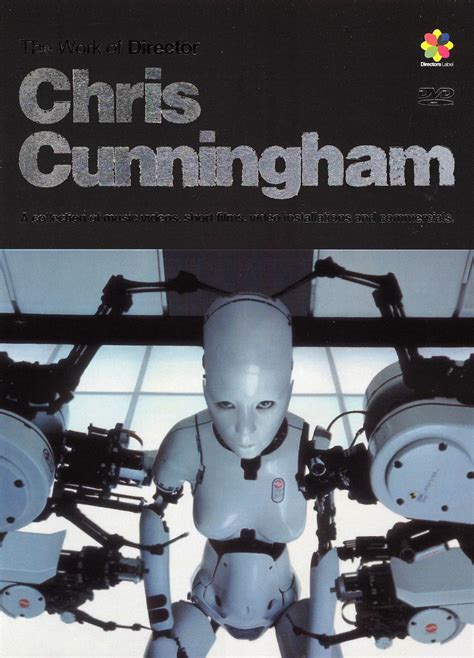
Disc 2 showcases the work of director Chris Cunningham. His art seamlessly blends cutting-edge visual effects with precise edits to create glitch-like hyperrealities. His most renowned works include the extremely NSFW videos for Aphex Twin’s Come to Daddy and Windowlicker.
The first time I watched the video for Aphex Twin’s Come to Daddy I was struck by its terrifying nature, rivaling the fear-inducing visuals of Michael Jackson’s Thriller.
Sometimes, his visuals evoke the feeling of nightmarish fevered dreams, while at other times, they present hypnotic and hopeful visions of a future where humanity has vanished.
Cunningham’s work maintains a unique quality that makes it both futuristic and timeless. This is often achieved by combining precise edits with elements of robotics intertwined with anatomy.
Directed by Chris Cunningham
The aesthetic for Björk’s “All Is Full of Love” was not only instantly iconic but has also influenced the visuals of major film and television projects like I, Robot and the title sequence of HBO’s critically acclaimed series Westworld.
Interestingly, Cunningham is the only director in the series who has not directed a feature-length film. In interviews, he mentioned being approached to direct a movie adaptation of the cyberpunk novel Neuromancer, but these early discussions never materialized.
Beyond his work in film, Cunningham has also designed album artwork for various musicians and recently expanded his skill set to include audio production for the UK rockers the Horrors and documenting indie band Warpaint. More recently, he has been relatively quiet.
In the directors’ commentaries, each artist delves into the intricacies of collaborating with their respective partners. Chris Cunningham candidly discusses the creative and technical challenges of digitally integrating Bjork’s face into an animatronic robot.
It’s comforting to hear a visionary director admit to feeling like a failure until the very end.
Each director curates their own volume. As a self-proclaimed perfectionist, this makes volume 2 the most concise of the three.
In fact, I read in an interview where he expressed a wish to have left more material off the disc but didn’t want consumers to feel deceived. The artist in me understands the desire for self-editing. As a viewer, I simply wish there was more content.
Directed by Chris Cunningham
Through Chris Cunningham’s perspective, I’ve learned that he won’t engage in a project unless he’s initially excited about it. Given his technical expertise, he understands that the project will involve numerous monotonous, detail-oriented tasks and that the initial excitement will be crucial to sustain him through the process.
This realization has sparked serious contemplation about my current and future passion projects. Since I started shooting video, I’ve continued to work to gain the necessary skills to begin creating such amazing hyper-edits.
He has also taught me that as an artist, it’s essential to take calculated risks and explore new avenues to foster continuous growth and development. This has led me to incorporate my own ambient and electronic sounds into my video work and create short, mood-related video pieces.
Directed by Chris Cunningham
Michel Gondry
Volume 3 features Michel Gondry, a musician and grandson of inventor Constant Martin.
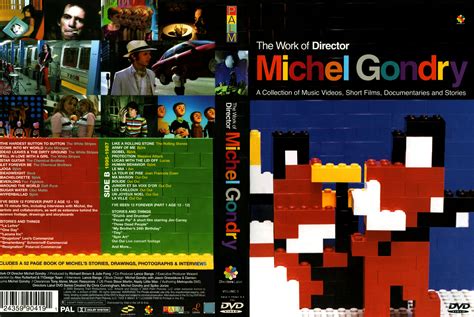
Michel Gondry’s filmmaking career began with creating music videos for his French rock band, Oui Oui, where he also played the drums. These videos caught the attention of emerging artist Björk, who asked him to direct the video for her song Human Behaviour.
Directed by Michel Gondry
Their collaboration proved to be long-lasting, with Gondry directing a total of eight music videos for Björk.
Similar to Spike Jonze, Gondry’s work is characterized by a playful and innovative approach. However, his subject matter becomes even more compelling when considering his background as a drummer and his family’s history with innovation.
Through his use of rhythm and visualization, Gondry constantly reintroduces the audience to new ways of perceiving time.
One of his most renowned videos is for the Chemical Brothers’ Star Guitar”(see below). It is both a masterpiece of execution and a testament to his artistic genius, showcasing the tried and true hallmarks of creative brilliance.
Directed by Michel Gondry
What I admire most about Gondry’s approach is his willingness to use the tools that best suit his vision. When tasked with directing a video for The Rolling Stones, he pioneered the “bullet time” camera technique, which later became a staple in the Matrix franchise. This innovative look was so successful that he leveraged it for branding campaigns for GAP and Smirnoff vodka.
Gondry then directed a music video for a relatively unknown band at the time called The White Stripes. He utilized Legos, stop-motion animation, and low-budget techniques, resulting in a wildly successful video that helped launch the garage rock duo’s career and inspired countless imitators.
Directed by Michel Gondry
Throughout his work, there’s a sense of personal connection and a narrative thread that runs through his catalog. It’s not difficult for most viewers to find a cohesive story in his videos.
Narrative elements from his early works, such as the video “Everlong” for the Foo Fighters, are reminiscent of those explored in his later films like Eternal Sunshine of the Spotless Mind and The Science of Sleep.
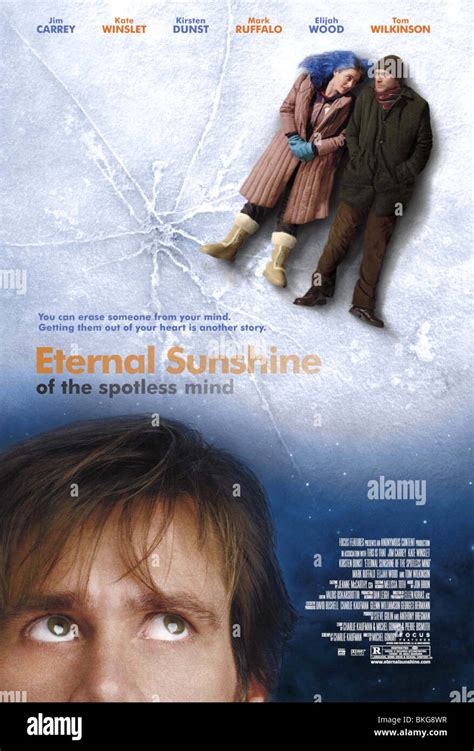
Eternal Sunshine of the Spotless Mind | 2004 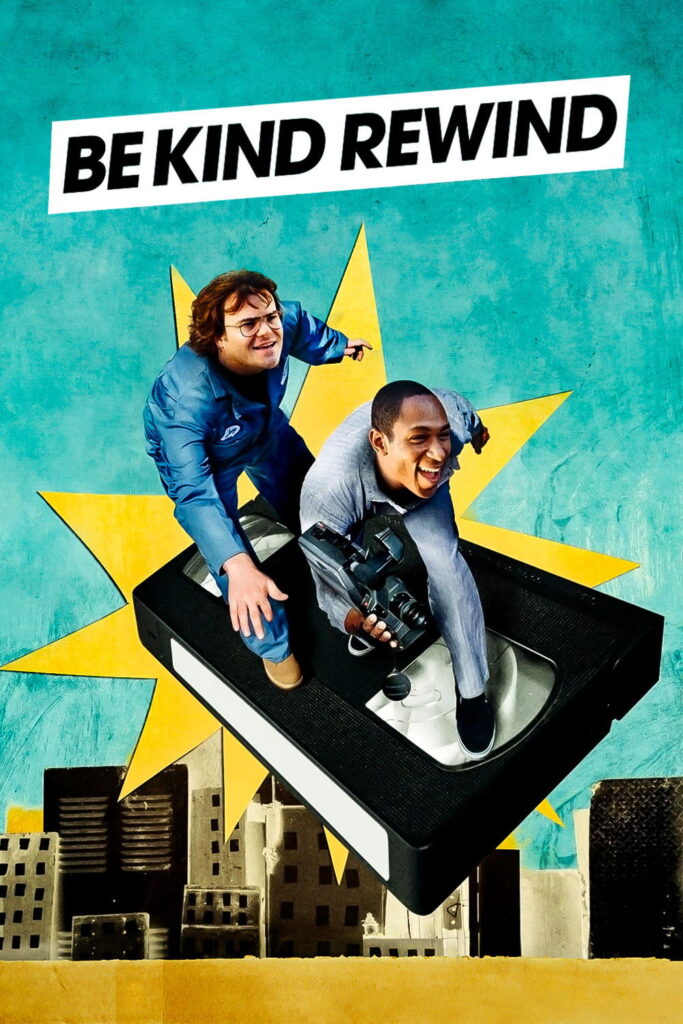
Be Kind Rewind | 2008 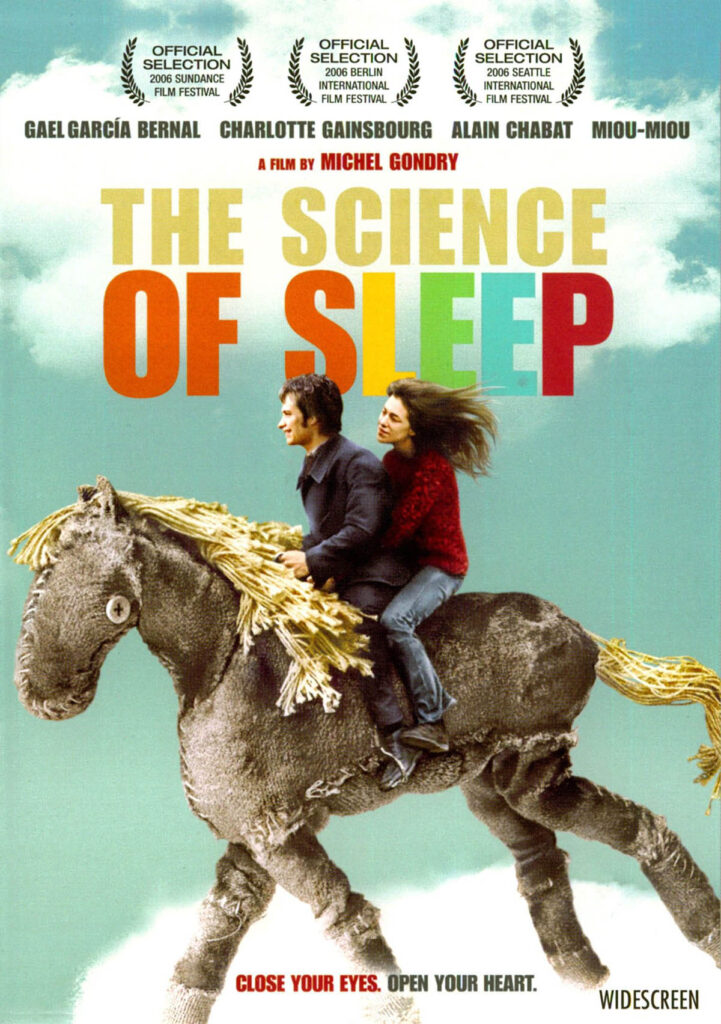
The Science of Sleep | 2006
However, it’s his personal touch that often leads to the absence of his video work. For instance, his video for Radiohead’s “Knives Out” faced challenges and friction with the band members. Reflecting on the experience, he shared,
“I generally find a good way of communicating to prevent clash, but I had one terrible experience with Radiohead. I showed [Yorke] a storyboard and every single detail: he was completely excited and happy for it – and then, it turned out, they all criticize me for being selfish and putting my own views on it and my own introspection… It did not go smooth, but if it went smooth, it would be mediocre.”
Michele Gondry on working with radiohead for “knives out” video
Through Michele Gondry’s perspective, I’ve learned to stay curious, to utilize and play with how we, as audiences, perceive time, and to remember that I have a wealth of tools and techniques at my disposal.
Some of these tools require significant financial investment, while others demand considerable effort. Anything above the ordinary will inevitably encounter some degree of difficulty, and it’s crucial to think creatively and find solutions around these challenges.
All video content inherently depicts the passage of time. As a creator, we have the power to constantly manipulate and choose how the audience perceives time, thereby altering their perception.
I’ve come to realize the importance of infusing my art with personal elements and maintaining a collaborative spirit with my creative partners to achieve the most original and authentic results.
Conclusion
Over the past fifteen years, my perspective on music videos has evolved significantly. When the initial release came out, two of the three directors involved had promising film careers and have since become some of the most financially successful and recognizable names in the industry.
A second series featuring the works of Mark Romanek, Jonathan Glazer, and Anton Corbijn is also available. While still highly recommended, in my opinion, they don’t offer the same level of replay value as the first three volumes.
It’s worth noting that in the realm of music videos as an art form, Mark Romanek’s “Scream” 1995), directed by Michael and Janet Jackson, holds the title of the most expensive video ever made, with a production cost of $7 million. This is one of the notable highlights found in the second series.
Although another series has yet to be confirmed, in 2010, Palm Pictures released a DVD collection of videos exclusively in the United Kingdom, featuring the work of the directing duo Hammer & Tongs.
Personally, I would love to see volumes showcasing the work of Marcos Siega, Sophie Mueller, David LaChapelle, Hype Williams, Tarsem Singh, and Jonas Åkrlund.
Volume 1: The Work of Director Spike Jonze
Volume 2: The Work of Director Chris Cunningham
Volume 3: The Work of Director Michel Gondry
Volume 4: The Work of Director Mark Romanek
Volume 5: The Work of Director Jonathan Glazer
Volume 6: The Work of Director Anton Corbijn
While the way we consume video has evolved, the quantity we consume has surged dramatically.Remarkable videos continue to be crafted by both renowned auteurs and amateur filmmakers. Personally, I find this an exhilarating era when formally trained artists’ work can coexist with similar pieces in a virtual gallery, showcasing previously unseen content.
Harkening back to its inception, the current generation frequently creates content using tools available in their homes, resulting in high-quality videos that resemble those produced by large studios. With that said, even without the traditional broadcast platform, the format is alive and well via streaming sites. This Kanopy selection curated by Stash Media as part of their ‘Inspiration’ series highlights the continued evolution of the art form.
Directed by Jonathan Glazer