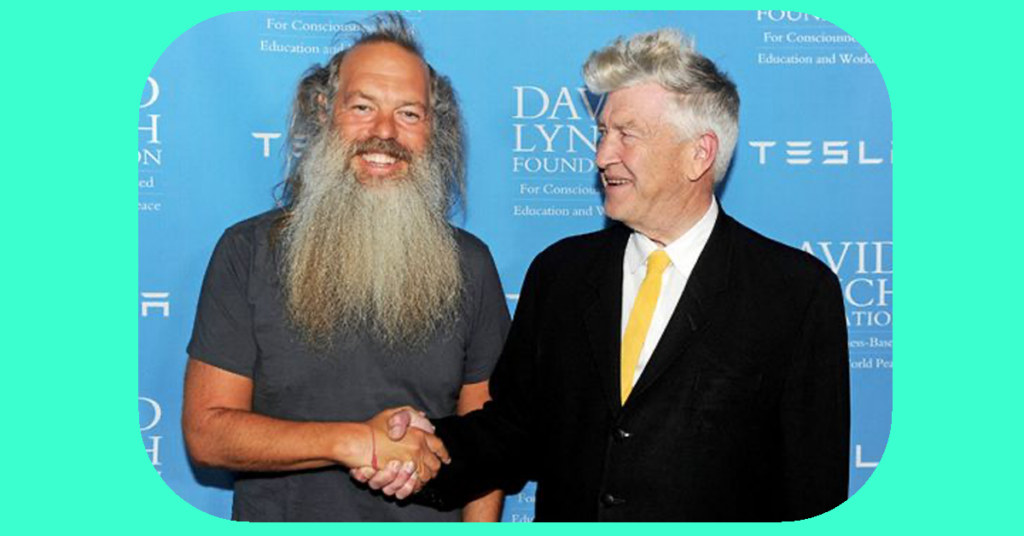

I have a great deal of admiration for the creativity and craft mastery of David Lynch and Rick Rubin. It is hard to imagine a world without the iconic and wholly unique filmmaking of Lynch and the utterly legendary audio production of Rubin; at first glance, the similarities between their respective works wouldn’t seem readily apparent, far beyond the element of working in different fields.
The work, the approach, and the final result are nothing alike, but are both widely considered masters of their craft. One of my favorite things is to learn about the work habits of artists I admire. Both Rubin and Lynch are big fans of meditation, and, oddly enough, both are also authors on the subject. Through writing this article, I learned that the David Lynch Foundation honored Rick Rubin with an award for his contributions to creativity and meditation. (see above)
Music and cinema are two of my greatest sources of inspiration, but as much as I enjoy external influence and inspiration, the spark to create comes from within. Since 2013, I have utilized sensory deprivation floating for my personal well-being. Floating has been a transformative personal journey and a groundswell to my personal creative process and success.
As I’ve worked to deepen my relationship with both the creative process and myself, I started expanding my journey with meditation in 2016. Instantly, I regretted not starting sooner. In what became a surprising nexus of influence. I recently completed both The Creative Act: A Way of Being by Rick Rubin and Catching the Big Fish: Meditation, Consciousness and Creativity by David Lynch.
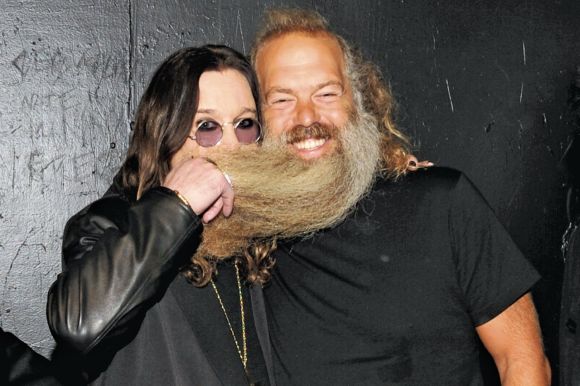
Rick Rubin is renowned for his hands-off minimalist approach in music production, emphasizing core songwriting elements and stripping down excess to highlight an artist’s true sound. He works across diverse genres, from rock to hip-hop, and focuses on collaborating with artists to bring out their authentic voice without imposing his style.
David Lynch (Rest In Peace) is celebrated for his abstract and surreal films, characterized by symbolism and a dreamlike atmosphere. His unique filmmaking explores themes of consciousness and identity using non-linear narratives, creating visually and sonically immersive experiences that encourage personal interpretation.
I like to think Rubin’s work honors both the artist by respecting the creator’s initial intention and the audience for trusting the unexpected. Lynch’s work can often challenge the audience and leave them without an easy resolution, often forcing introspection and personal interpretation.
The artists Rubin produces often create some of their most transformative, thoughtful, and intimate work. While the films Lynch creates can seem cold and inhuman, lingering in the mind long after the final frame, and eliciting conversation.
Both creators resonate deeply, albeit at much different vibrations.
Similarities Between
The Creative Act and Catching the Big Fish
In their approach to core principles, both Rick Rubin’s The Creative Act and David Lynch’s Catching the Big Fish explore creativity as a profound and deeply personal process. With a shared belief in the importance of accessing deeper consciousness and intuition to unlock creative potential.
- Introspection and Inner Exploration: Both advocate for introspection and the exploration of one’s inner thoughts and emotions as essential to the creative process.
- Meditation and Mindfulness: Meditation is a recurring theme in Lynch’s work, and Rubin emphasizes mindfulness in connecting with creativity.
- Non-linear Process and Unexpected Discoveries: Both view creativity as a non-linear path and a journey full of discoveries and unexpected insights.
- It’s the Journey, Not the Destination: Both focus on the creative process itself rather than the end product, encouraging creators to value the journey over the destination.
Differences in Approach
Rick Rubin’s
The Creative Act: A Way of Being
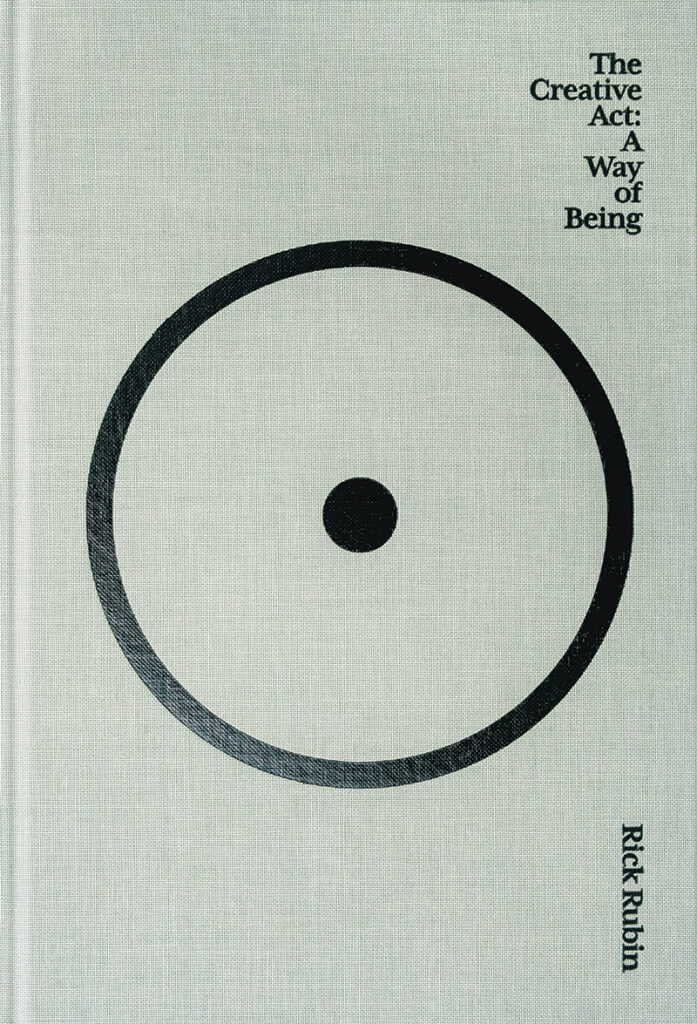
by Rick Ruben
Notable quotables:
- “No matter what tools you use to create, the true instrument is you. And through you, the universe that surrounds us all comes into focus.”
- “The best art divides the audience.”
- “Being open to the world allows ideas and inspiration to flow naturally.”
- “Creativity is not a destination; it’s a practice.”
Key Concepts:
- Holistic Perspective: Rubin emphasizes a comprehensive view of creativity, integrating aspects of the artist’s life beyond just their work. He sees creativity as interconnected with an artist’s entire existence.
- Collaboration: Rubin often highlights the power of collaboration, drawing from his experience as a music producer. He sees the dynamic interplay between individuals as a source of creative strength.
- Comfort with Uncertainty: Rubin embraces ambiguity and encourages creators to be comfortable with the unknown, seeing it as a fertile ground for innovation.
David Lynch’s
Catching the Big Fish: Meditation, Consciousness, and Creativity
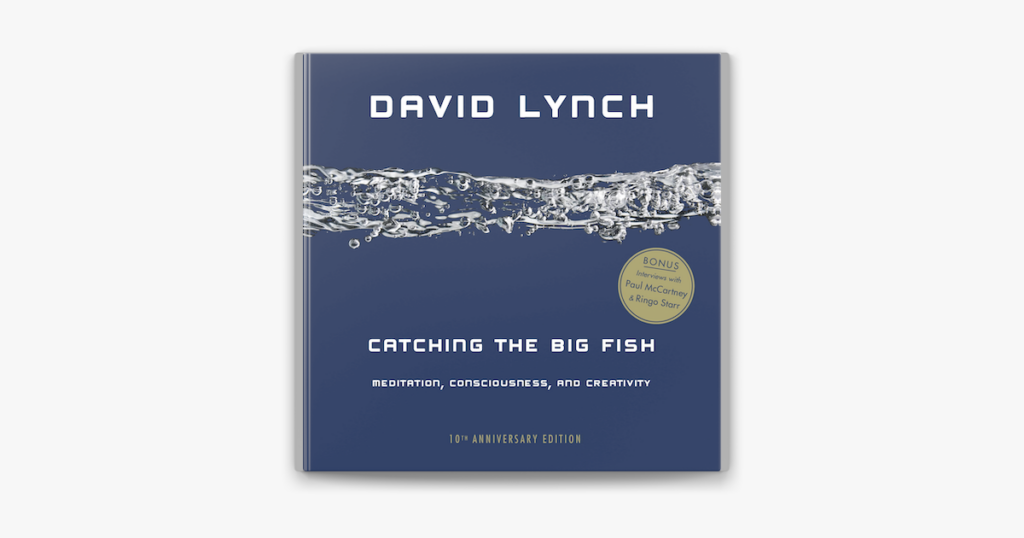
by David Lynch
Notable quotables:
- “Ideas are like fish. If you want to catch little fish, you can stay in the shallow water. But if you want to catch the big fish, you’ve got to go deeper. Down deep, the fish are more powerful and more pure.They’re huge and abstract. And they’re very beautiful.”
- “Transcendental Meditation is a technique that brings profound inner rest to the mind and body.”
- “I think that if you are not doing something, your soul gets eaten.”
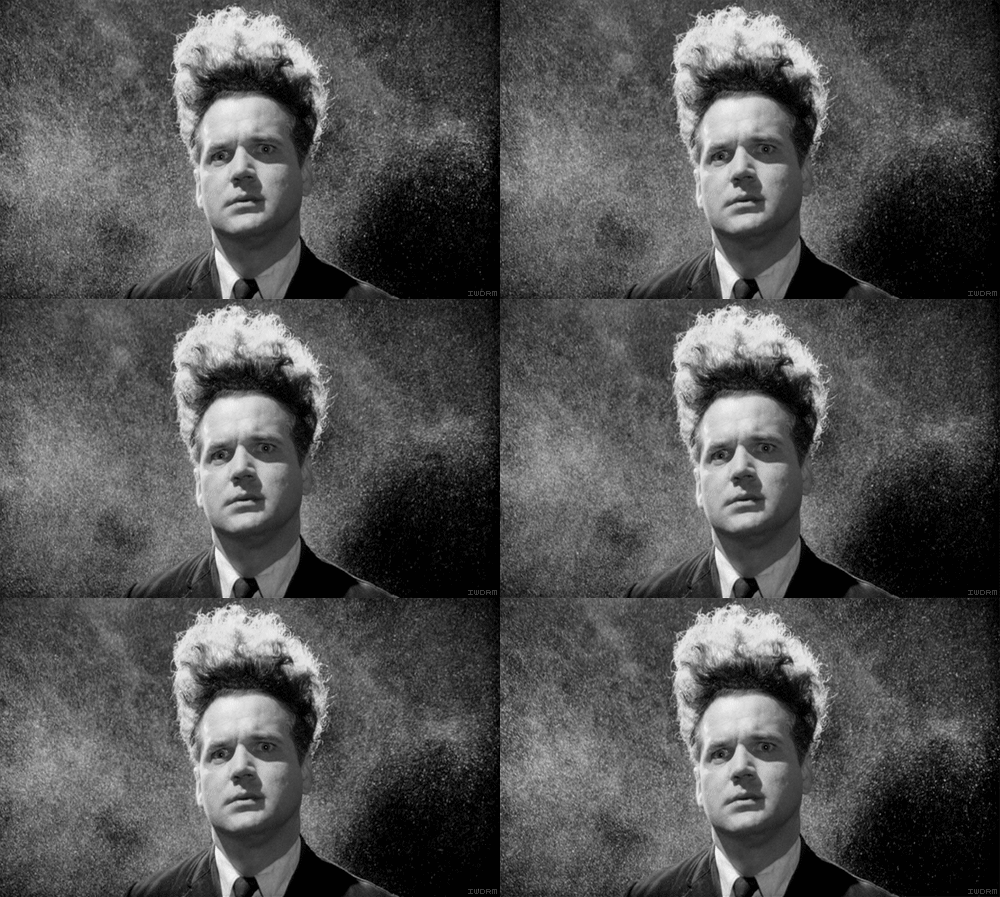
Me: *exists aggressively*
Key Concepts:
- Transcendental Meditation (TM): Lynch is a Transcendental Meditation evangelist. He uses TM as a tool to access deeper layers of creativity and consciousness. This practice is central to his creative philosophy.
- You’ve Got To Go Deeper: Lynch’s approach is often more abstract, using metaphors and symbolic language to describe the creative process. His work reflects a more surreal and intuitive method.
- Intuition and Inspiration: Lynch places significant emphasis on intuition and the role of dreams in driving creative ideas, often deriving inspiration directly from these subconscious experiences.
In closing
If you’re interested in reading either book, I would highly recommend both. The Lynch book is also a really fun audiobook narrated by the author himself, what a treat!
Both creators offer valuable insights into creativity, each through their unique lens. While Rubin’s work is grounded in holistic, collaborative practices, Lynch offers a more introspective, meditative approach.
I am thankful to have learned about both approaches and often reflect on how I can integrate these practices into my own processes.
| Rick Rubin On a Lifetime of Meditation and Music (click link to view) | David Lynch Foundation (click link to view) |
| Rick Rubin discusses his transcendental meditation practice and its impact on his music career, highlighting how meditation enhances his ability to be present and deeply listen to artists. | The David Lynch Foundation, established in 2005, promotes health and success through Transcendental Meditation (TM) and supports programs for at-risk populations to improve mental health and foster personal growth. |