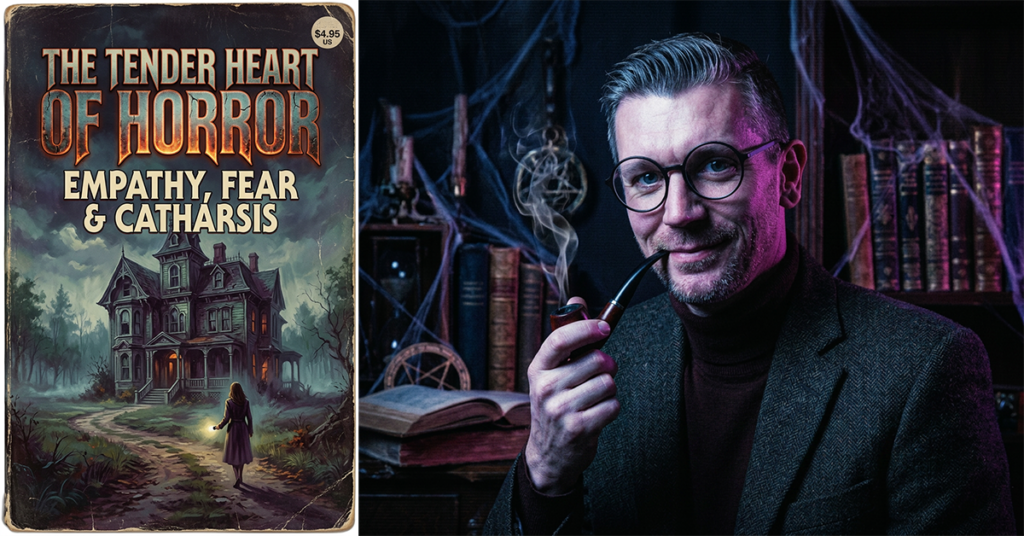
Growing up with horror and discovering its emotional depth beneath the shock
As a child of the VHS and cable TV-filled ’80s, horror was everywhere. Its omnipresence saturated my subconcious with the kind of images that get burned into your brain too young to ever fully shake. As a result my love of all things spooky runs deep.
Throughout my life, I’ve returned to horror not just as comfort viewing, but as a concept: why it works, what it reveals, and what fear is actually telling us about ourselves. I’ve been working toward expanding my skillset by learning storytelling as part of a long-term goal. The intention is to finish a story and screenplay for a horror film.
Horror is a genre that gives us a safe space for unsafe emotions, a cathartic way to look at trauma and the parts of human nature other genres often exploit or ignore. The genre isn’t just about scenes of grotesqueries, gore, or staring aimlessly into the void; it’s about catharsis, providing a mechanism to engage what we usually avoid.
Over the last three years, I’ve spent a fair amount of time researching to support my goal, including reading books on the subject, watching films, listening to interviews, studying structure, taking lots of notes, and picking up some new skills along the way.
I wanted to share what I have learned through my process of discovery, as well as some of the excellent resources that I think are worth checking out for anyone looking to dabble with genre screenwriting or as a fan of the genre in general. Even if horror isn’t for you, I hope I can make you reconsider what it means to you.
Fight or Flight
Fear is the oldest emotion we have, an evolutionary alarm system wired into the body long before we had a name for it. Fight, flight, or freeze isn’t executive function; it’s survival, body chemistry, AND physiology. It’s the split-second decisions that kept our ancestors alive and the reason why you are here now.
Our eyes are built to parse light and shadow, and to flag red first, because, on a reptilian level, we’re primed to recognize danger and respond before thought. When we see immediate danger, our need for survival at times reaches beyond even our most basic instincts. What happens if we don’t recognize the danger?
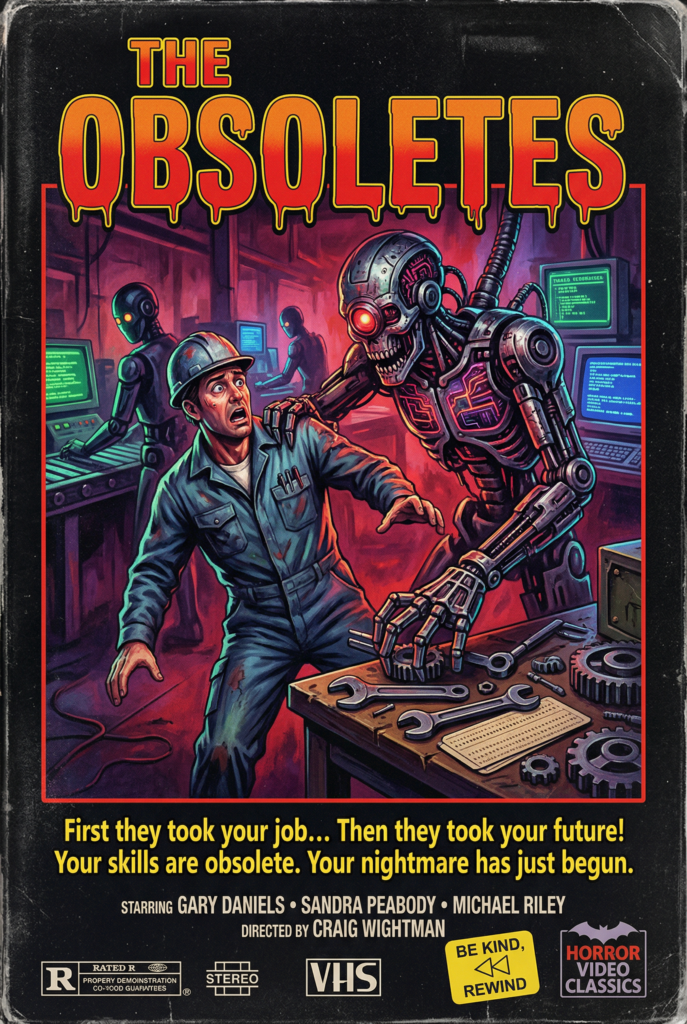
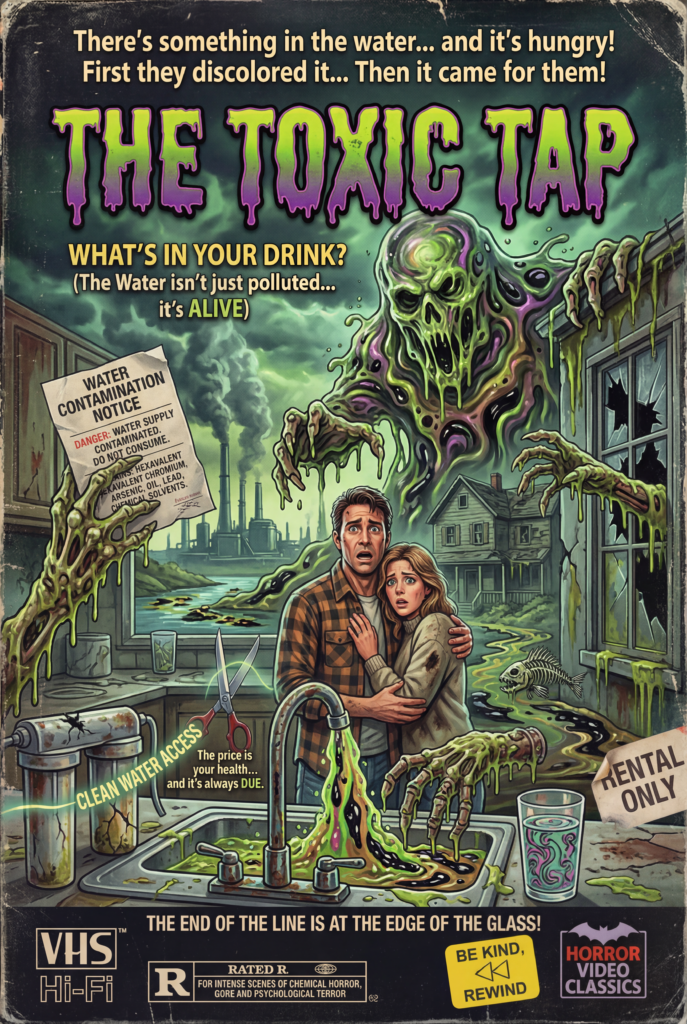
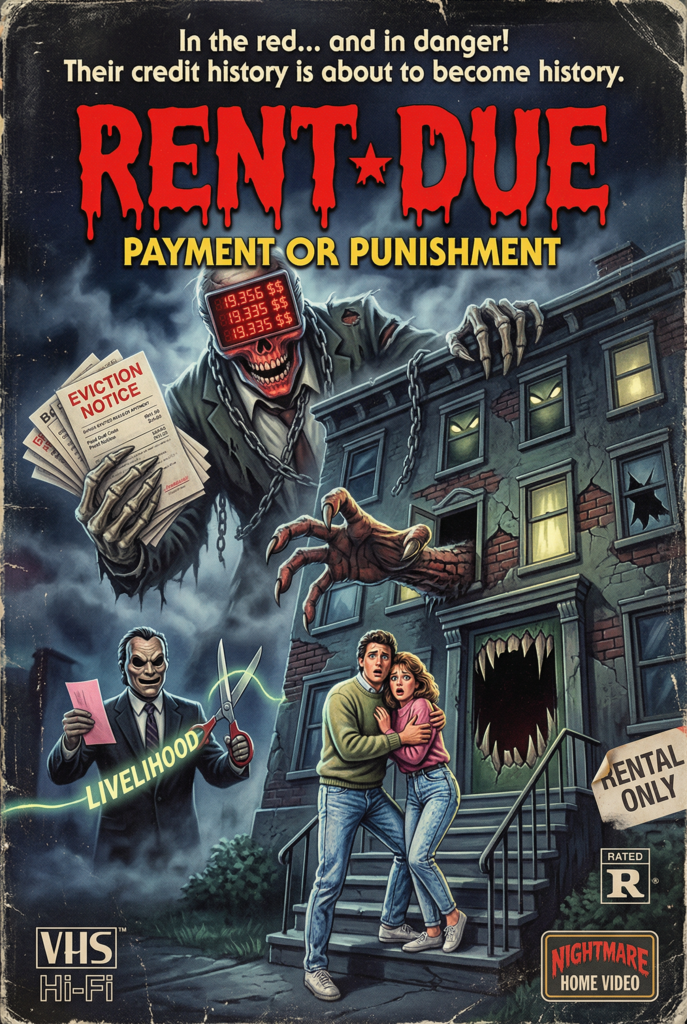
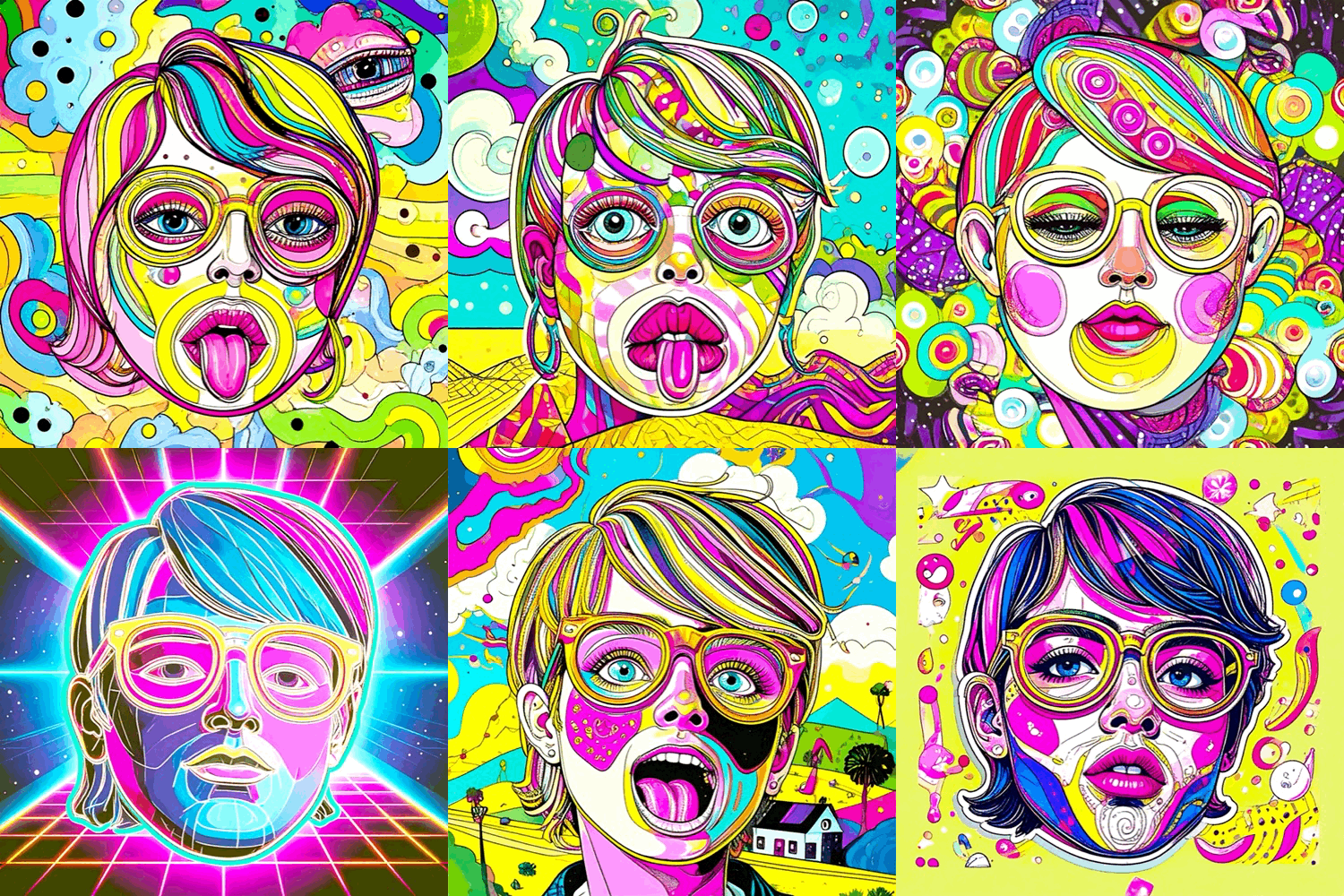
Current Fears as Paperbacks & VHS Box Covers
Click to View Full Size (Generated in Adobe Firefly)
This is why we have stories. Horror isn’t a modern invention; before it was a genre, it was a survival tool: tales repeated by generations around a fire to mark danger, warn the young what the world can do, and explain the unexplainable.
In folklore and myths worldwide, historically, monsters are boundary signs. Don’t wander into the woods. Don’t trust the stranger’s smile. Don’t break the taboo. Every culture has its creatures and cautionary tales, because every culture has fears it needs to name: predators, hunger, violence, the unknown.
The Grimms’ fairy tales weren’t soft bedtime stories; they were sharp, moral, and often brutal. The wolf, the witch, the forbidden room are metaphors for power, betrayal, temptation. Stark reminders that the world can feel cruel or indifferent and that adults won’t always keep you safe.
Even classics like Frankenstein and Dracula remain timeless because the shadows are always there. It remains current because the shape of the dark keeps changing. We still tell “don’t wander off” stories, only now the woods might be a highway, a house, a screen, a border, a war, or the slow, unending violence of a world we’re overheating.
Horror makes those threats memorable by giving fears tangibility and the unknown names. That’s why it works on a visceral level: it reaches under the intellect and pulls that ancient switch. The experience the genre is ultimately a controlled encounter with the unknown; studying its impacts and coming out the other side changed having borne witness to blood sacrifice.
HOW TO USE IN WRITING
Write fear as physiology: show fight/flight/freeze through breath, vision, muscle tension, impulse, and the messy aftershock. Show fear as actions the body makes before the mind catches up.
Make modern fears into pressure systems: treat things like corruption, contamination, scarcity, and replacement as forces that constrain choices and escalate, not just themes you mention.
Build around boundary rules: “don’t go there / don’t look/don’t say/don’t consume”, then give the character a human reason to break the rule.
Tie horror to life damage: the real sting is what fear costs, shrinking choices, straining relationships, and rewriting identity.
Trauma Reshapes Us
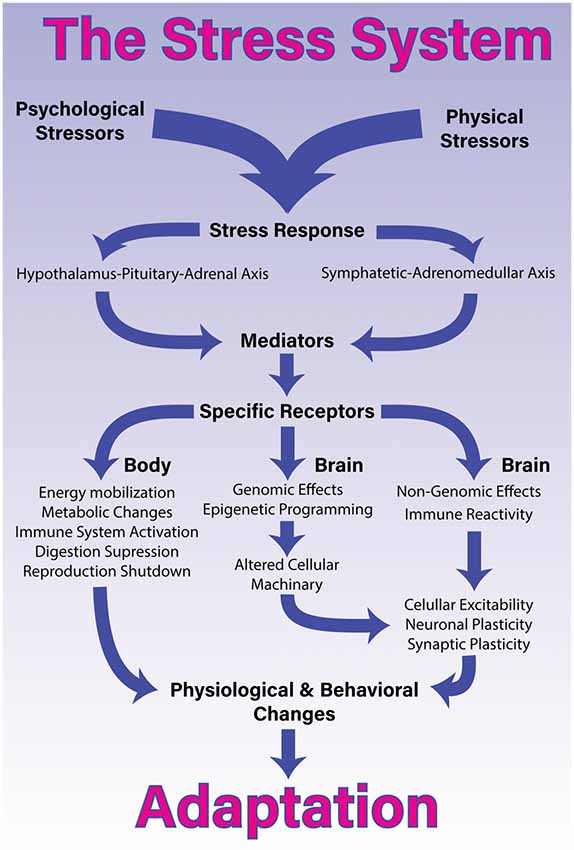
Trauma doesn’t just leave a memory; it rebuilds our operating system.
While we are still in active trauma, the body is already in transformation, stress hormones and autonomic reflexes stop being short-term tools and become permanent settings.
Breathing narrows, muscles brace, sleep turns shallow, digestion goes off-script, and the startle response becomes a hair-trigger.
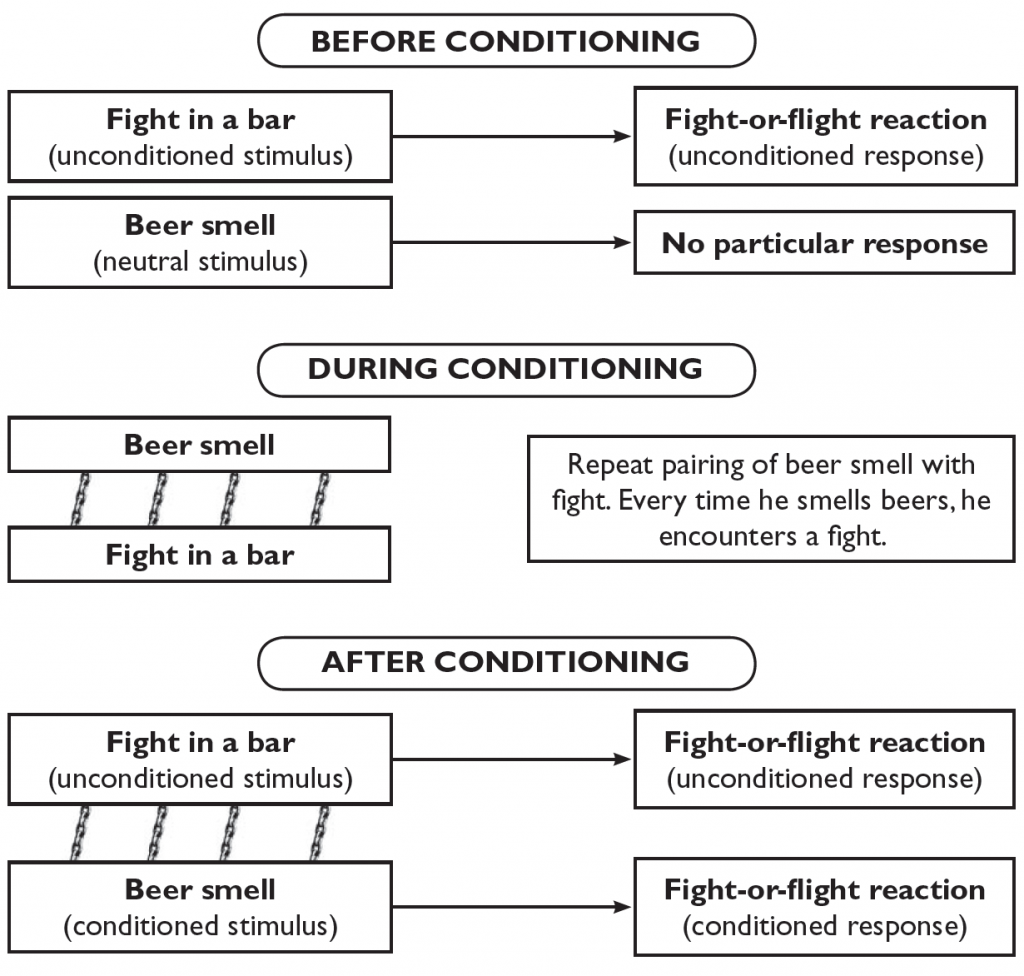
That is why, post-event, even “calm” can feel suspicious, because the nervous system has been trained to treat stillness as the catalyst for something awful to happen before it can.
The mind reorganizes around the same mandate. Attention locks onto the threat, time collapses into before/after, and memories arrive as shattered fragments, flashes of images, and intense sensations.
This theatre of pain is your brain scanning for patterns so the past doesn’t get a second chance.
Our ancestors may not have named trauma clinically, but they understood the value of fear as a guidepost; stories that teach what danger looks like, how it moves, and what it costs.
Horror isn’t only about fear or warning about the dangers of faceless evils; it’s about recognizing red flags, how survival changes you, and how the self that comes back is built to prevent the next wound, even if it can’t yet remember how to live without the armor.
HOW TO USE IN WRITING
Fear is universal, but it isn’t simple. It shifts states: stress, phobia, panic, avoidance, and each state leaves different fingerprints on the body and the story.
An interior fear doesn’t only live in the mind of the afflicted; it surfaces in routines, relationships, and the choices that shape their days.
A phobia can be biological, environmental, social, or psychological; the point isn’t the spider or the height or the ocean, it’s what that fear does to a person’s choices, relationships, and sense of self.
When writing a character’s emotions, treat fear as a shifting state, not a single feeling. Show how it changes what they notice, what they avoid, and what they’re willing to risk.
Escalate by fear-state, not volume: stress → avoidance → panic → freeze/submit → aftermath, with each phase tightening consequences and limiting options.
Fear States: Stress, Phobia, Panic, Avoidance
What are the impacts? – Guilt, Revenge, Obsession, Mental Health (Schizophrenia, Psychopathy, Sociopathy)
You’re a monster! I am too.
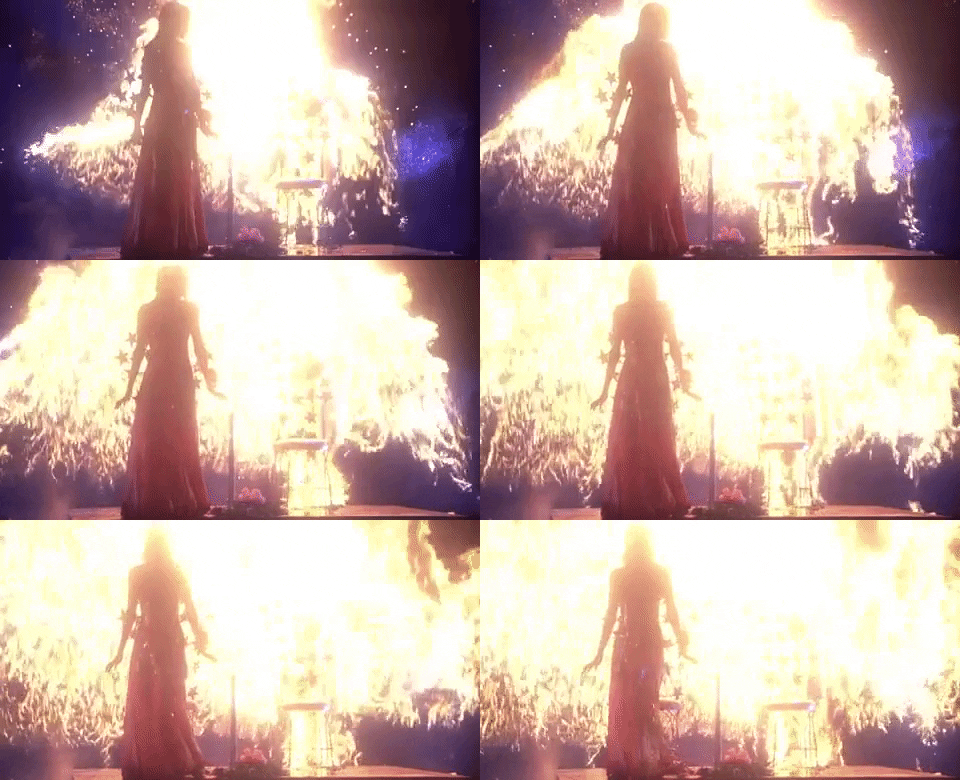
What is that saying, stare into the abyss, and it stares back into you. True horror comes from our own inverted reflections, a ‘black mirror’. (pun intended). It is the darkest and truest parts of human nature that leave us unable to recognize ourselves, as if our eyes were still adjusting to the inky black vacuum of endless nothing.
It’s not a new notion to present the human as the real monster in a horror story. It is a trapping of the genre for good reason. At its core, it is the very essence of horror. Not convinced? I’d argue that most modern anxieties are human-made (institutions, violence, instability, social threat). As a species, we are prone to driving ourselves off a cliff, which is why “human interaction” remains the most reliable engine for dread.
“Human interaction is the source of horror and fear” – Mick Garris
That dread comes from what fear does between people: distrust, denial, power imbalances, abuse, and shame. The reality is that the journey isn’t about the kaiju, eldritch being, or even the apocalypse; it’s what that fear does to a person’s choices (or lack thereof), fracturing their exterior and interior worlds, leaving a shattered sense of self.
Its primary purpose is not to predict what’s coming, but to reveal what’s already here, moving through us unseen, and we only become aware of it when we recognize its presence in guilt that won’t dissolve, revenge that destroys its vessel, or an obsession that splits the mind.
Horror reaches beyond the unknown; it drags a light across the shadow self, across death, across the parts of us that we would rather remain off-screen. Unseen forces are just the pressure; the real horror is watching relationships collapse under the weight of it.
HOW TO USE IN WRITING
- Build conflict inside the group: Two characters want opposite things (truth vs. normalcy, action vs. denial).
- Make honesty costly: Confessing, accusing, or “making a scene” has consequences.
- Let fear spread socially: One person’s panic changes the room; the group turns on itself.
- Exploit a fault line: Use grief, jealousy, guilt, status, prejudice, or obsession as the monster’s easiest entry point.
Top Current Fears:
– Corrupt government official
– A loved one becoming seriously ill
– Cyberterrorism, nuclear weapons
– Not having enough resources for the future
– Biological warfare
– School shootings
– Climate change/global warming
– Economic collapse
– Pollution of drinking water/rivers/etc
– Losing physical mobility/agency
– Hate crimes
– High medical bills
– Police brutality
It’s revealing what’s already here, quietly moving through us unseen.
Terror has no face
Most of the time, the unknown doesn’t arrive with a bump-in-the-night, or a violent disturbance; it’s already here, hiding woven into the fabric of the ordinary.
Milton wrote, “Millions of spiritual creatures walk the earth unseen.” Existing in the cold and indifferent cosmos is not unlike swimming in a dark body of water and feeling something brush against your leg. We are close enough to the unseen to sense it move past us, threading their way through the shadows and into the edges of our dreams.
Terror is that unearthly shadow dancing below the dark, glimmering surface, knowing that reality is bigger than our explanations, and that what we can’t see can still impact us. Is it Leviathan, is it a school of fish? The reality is that in that moment, the answer does not matter, only the striking realization that our tiny, frail human existence is catching a fleeting glimpse of something beyond our ability to comprehend in this cosmic chaos.
“Millions of spiritual creatures walk the Earth Unseen,
John Milton, *Paradise Lost* (Book IV)
both when we wake, and when we sleep.”
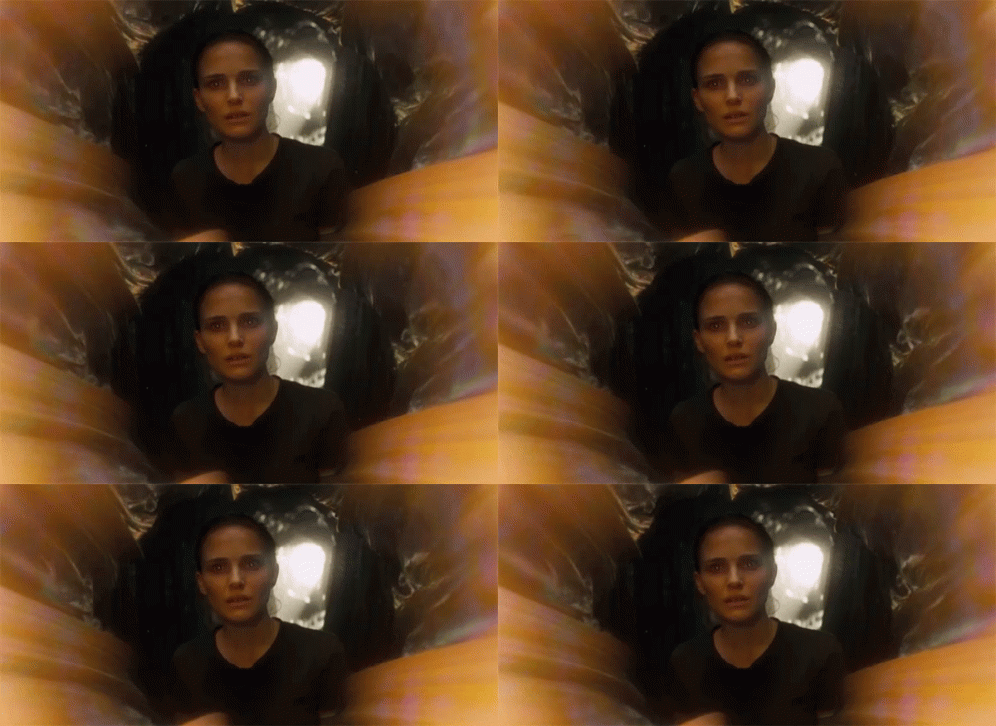
That is the seductive allure of horror, the shifting silhouette, the uncertain shape, the way the unknown exposes the darkest corners of the cosmos and by extension our true nature, and the quiet dread of existence itself.
Like watching the hypnotic dance of light at the event horizon of a black hole being taken away into the big empty. It doesn’t announce itself with teeth or claws. It’s a boundary where the rules keep working, but your relationship to them quietly loses authority.
We should consider ourselves fortunate that the nameless are usually quiet enough to pass for vivid imagination, or more often our own reflection.
HOW TO USE IN WRITING – Horror “Rules”
- Make the threat feel dangerous and wrong. The scariest monsters aren’t just lethal. They’re contaminating, unnatural, or morally off.
- Play terror first, then reveal. Build dread in anticipation; let the reveal be the payoff, not the whole meal.
- Warp perception on the page: narrow the “camera,” heighten light/shadow contrast, repeat alarm colors(especially red), and let survival-driven misreads create dread.
- Suspense > surprise. Let the audience know the danger is there, then make them wait for it to strike.
- Fear spreads socially. The creature is pressure; the real horror is denial, shame, power, betrayal, and who gets believed.
- Vulnerability is the engine. Take away safety (resources, allies, status, control), then force choices with consequences.
- POV is a weapon. Who we’re glued to and when that perspective shifts. Determines how visceral the fear feels.
- Escalate cleanly. Dread → confrontation → aftermath. Each beat should tighten the net or deepen the cost.
- Horror lives in the gap between what we know and what we feel, especially when that feeling is fear.
Pro Tip: The dead can only offer two things:
1.) Reassurance
2.) Hidden Knowledge
There is no time in the underworld; they cannot tell you the future. They can only tell you what you’ve been avoiding in the present, which is why it stings like a deep welt that wasn’t noticed forming.
In Conclusion & For Your Consideration
Horror is beyond a genre or art form; it is a language and one of our oldest rites of passage. A way to give shape to fear, to name what’s stalking the edges of our lives, and to turn dread into something we can gaze upon without flinching. The monsters change, each generation highlights its own anxieties, but the core always remains.
Quit covering your eyes long enough to look, you’ll find empathy under pressure, the body keeping score, and catharsis earned by facing what we’d rather leave unspoken. That’s the part of the genre I keep coming back to, not the shock, but the strange tenderness inside. Proof that even our darkest stories still peel back the truth of being human (even if it’s to the bone).
Unfortunately, humanity is in for a reckoning, and we know it. Fortunately, we are living in the midst of a modern horror renaissance, and I am loving it! If any of this resonates, below is a list of what’s been helping me learn: a short list of films, filmmakers, and craft resources that have shaped my thinking.
For the films, there is a comprehensive list on Letterboxd—a living version I’ll keep updating as I watch more and my favorites shift.
Worldwide Terror
One of my favorite early cinematic memories is seeing Guillermo del Toro’s The Devil’s Backbone in a hundred-year-old movie theater long rumored to be haunted. There were fewer than ten people in the auditorium, including staff. It was eerie, unforgettable, pure magic.
Pursuing horror as a subject has deepened my appreciation for horror cinema from other cultures and countries. Few genres so powerfully reveal the universal nature of fear across social and national boundaries; in that way, horror can be one of the most humanizing forms of expression.
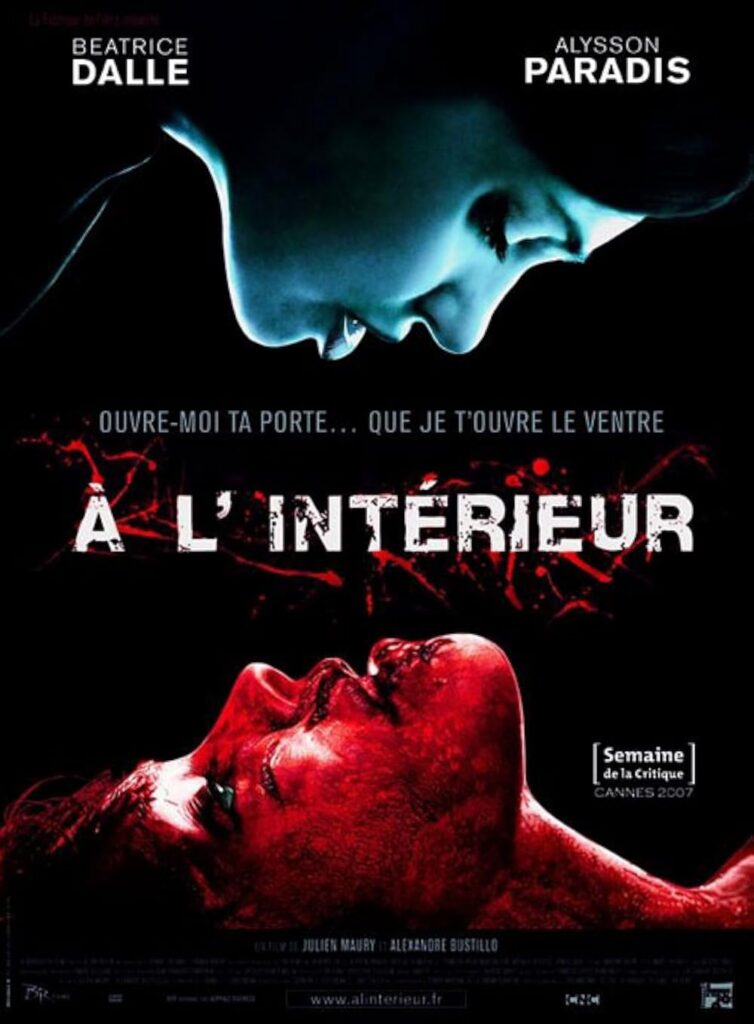
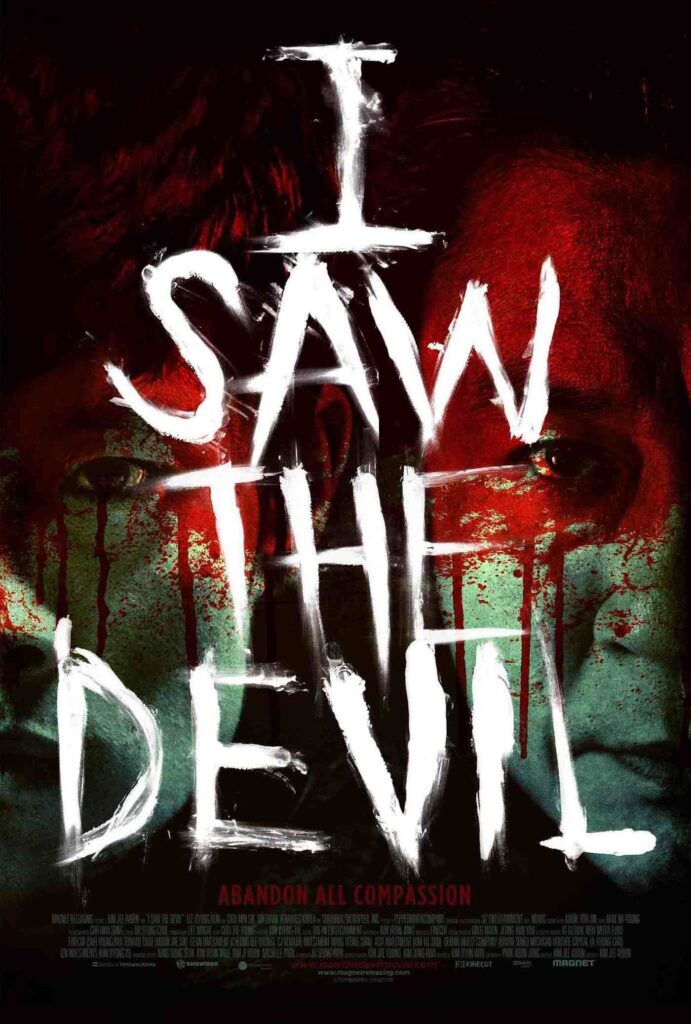
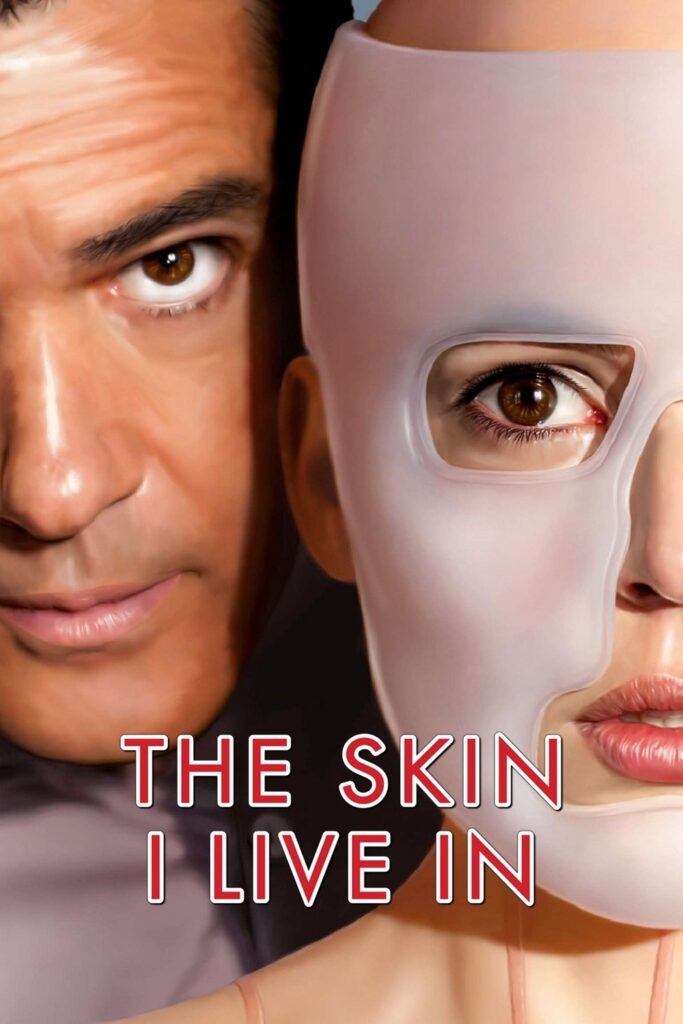
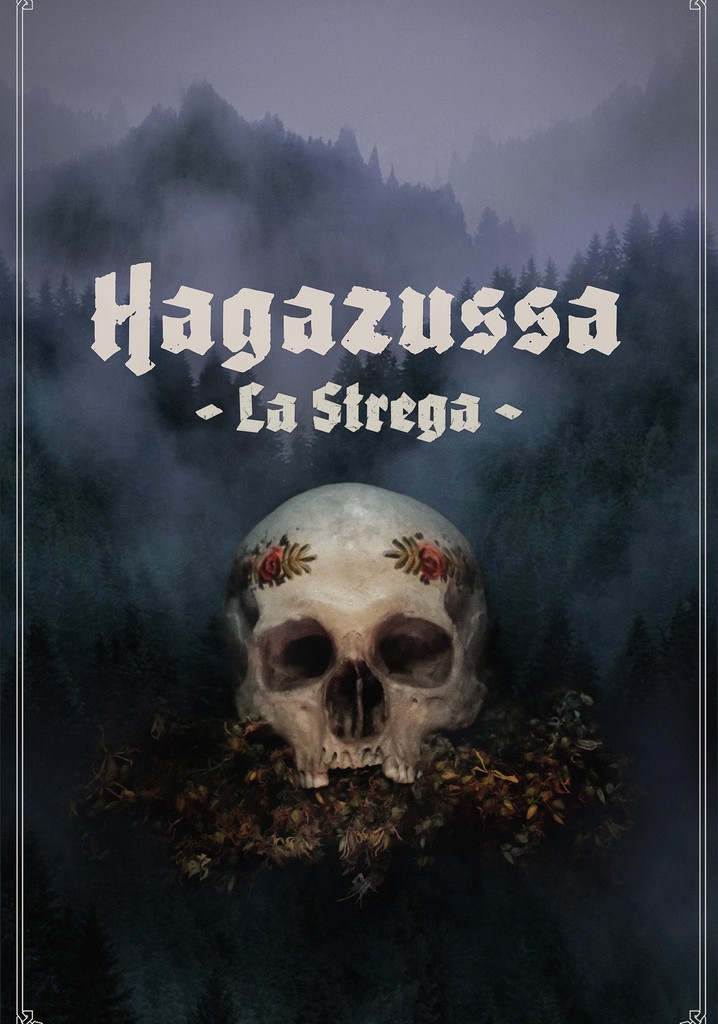
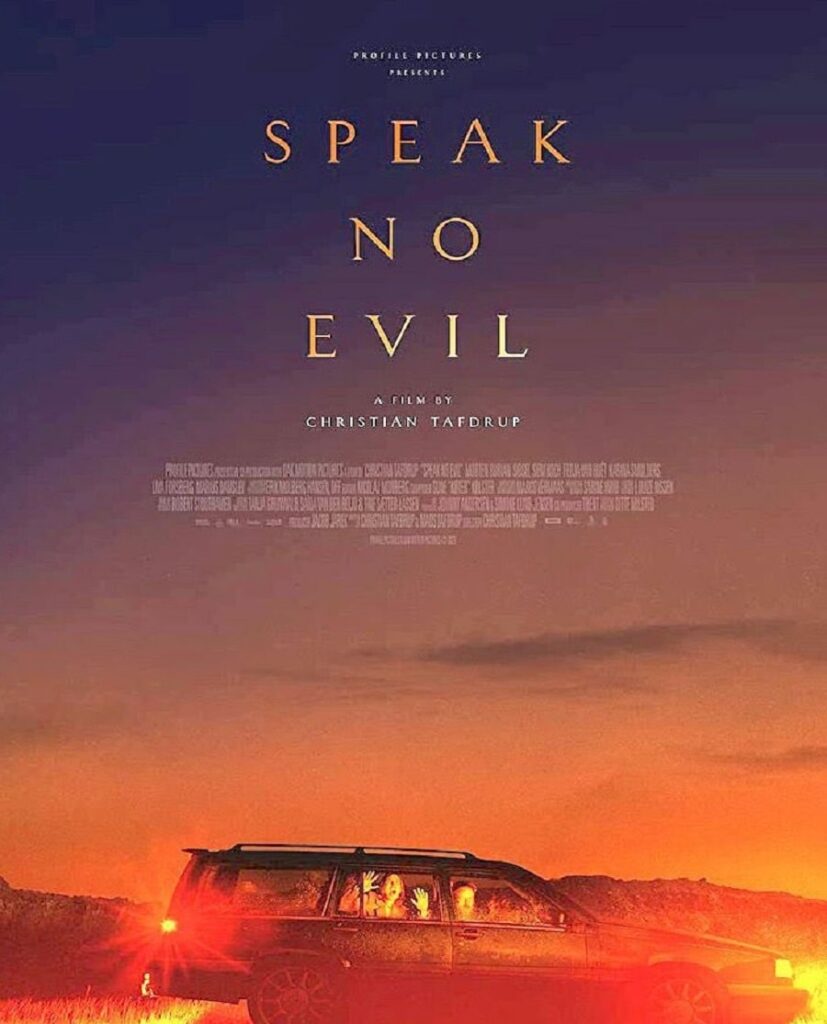
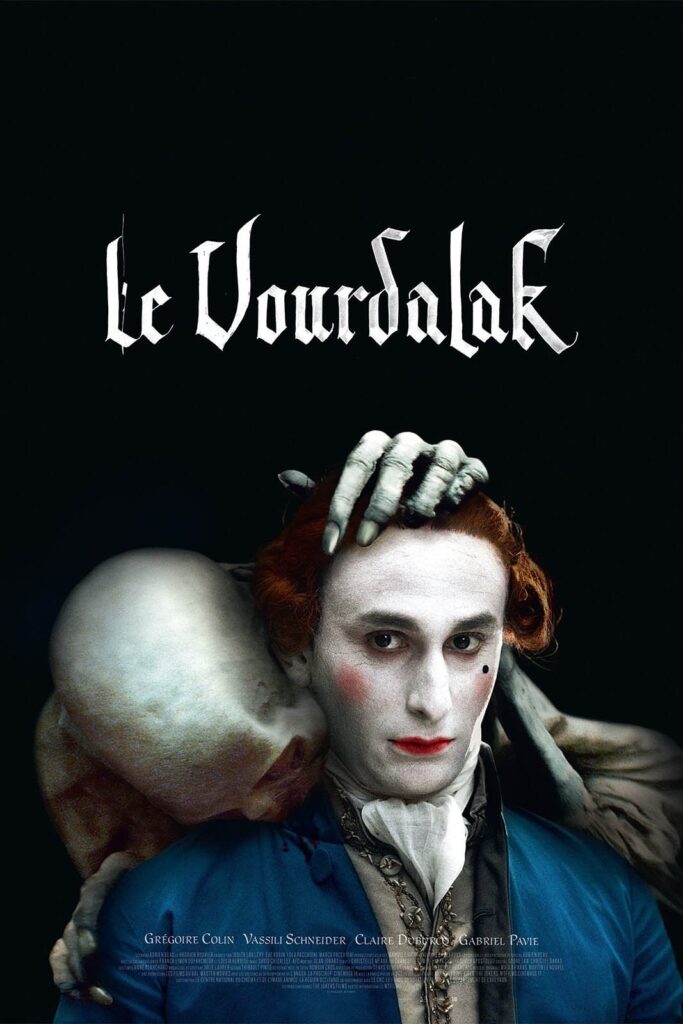
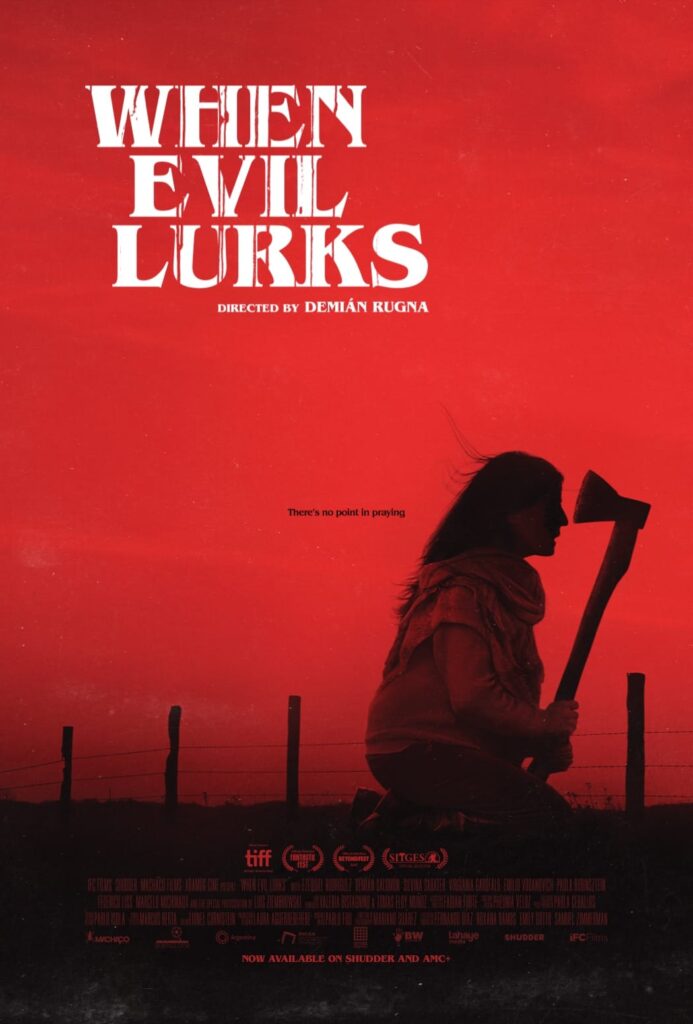
Alexandre Bustillo & Julien Maury: Inside (2007) |Kim Jee-woon: I Saw the Devil (2010) | Pedro Almodóvar: The Skin I Live In (2011) | Lukas Feigelfeld: Hagazussa (2017) | Christian Tafdrup: Speak No Evil (2022) |Adrien Beau: The Vourdalak (2023) | Demián Rugna: When Evil Lurks (2023)
The relentless, pandemic-bred brutality of The Sadness; the bleak, suffocating dread of Speak No Evil, the spine-chilling yet oddly charming The Vourdalak; the sweet, still poetry of Hagazussa that slowly curdles into something potent and dark. As difficult as some of these films can be to watch (I’m looking at you, New French Extremity), Inside, Enter the Void, and Pascal Laugier’s Martyrs have made a profound impact on me.
Even when Hollywood gets its greedy hands on a foreign film (Speak No Evil, cough cough), it never lands with the same cinematic impact. I’ve always watched horror, and I’ve always sought out cinema from around the world, but through this process, my love for world horror has deepened considerably.
A few films that stuck with me.
| Year | Title | Director |
|---|---|---|
| 2000 | Battle Royale | Kinji Fukasaku |
| 2001 | The Devil’s Backbone | Guillermo del Toro |
| 2001 | Suicide Club (Suicide Circle) | Sion Sono |
| 2007 | Inside (À l’intérieur) | Julien Maury & Alexandre Bustillo |
| 2008 | Let the Right One In | Tomas Alfredson |
| 2008 | Martyrs | Pascal Laugier |
| 2010 | I Saw the Devil | Kim Jee-woon |
| 2011 | The Skin I Live In | Pedro Almodóvar |
| 2014 | Goodnight Mommy | Veronika Franz & Severin Fiala |
| 2017 | Hagazussa | Lukas Feigelfeld |
| 2017 | Terrified (Aterrados) | Demián Rugna |
| 2021 | The Sadness | Rob Jabbaz |
| 2022 | Piggy (Cerdita) | Carlota Pereda |
| 2022 | Speak No Evil | Christian Tafdrup |
| 2023 | Infested (Vermines) | Sébastien Vaniček |
| 2023 | The Vourdalak | Adrien Beau |
| 2023 | When Evil Lurks | Demián Rugna |
Through Her Lens
Women directors aren’t just thriving in modern horror; they’re actively reshaping the genre they helped define. They expand its language, its bodies, and its politics, boldly rejecting any assumptions that horror has to be restrained or bloodless.
Julia Ducournau & Coralie Fargeat
Julia Ducournau and Coralie Fargeat push a body-forward, auteur-driven mode that treats transformation as both plot engine and thesis. In their work, the body isn’t a special effect. It’s the argument. Flesh becomes a site of power, punishment, desire, and reinvention. Identity isn’t discovered; it’s built, often through extremity. Their horror is tactile and exacting, with formal control that turns every wound, mutation, and rupture into meaning rather than spectacle.
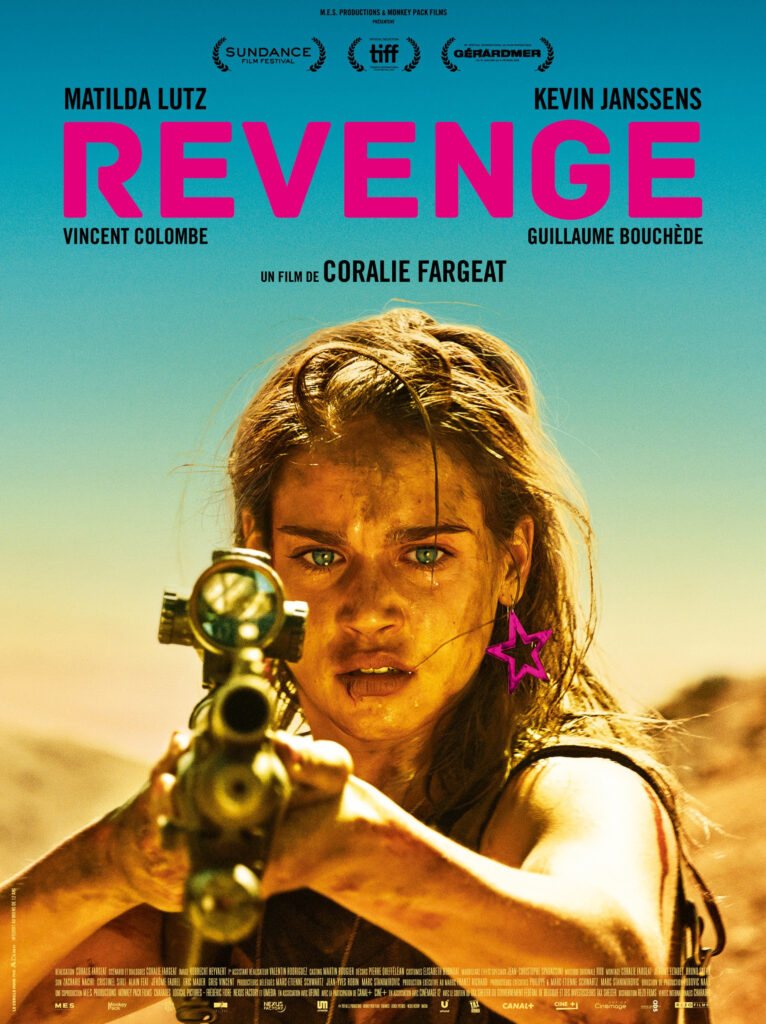
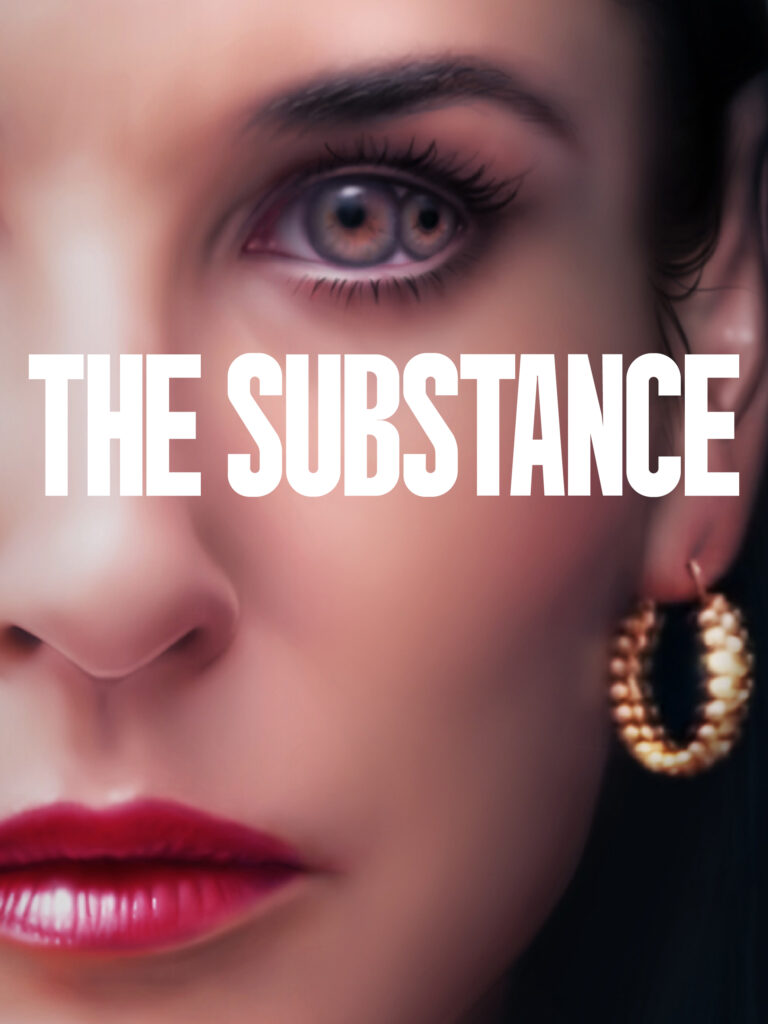
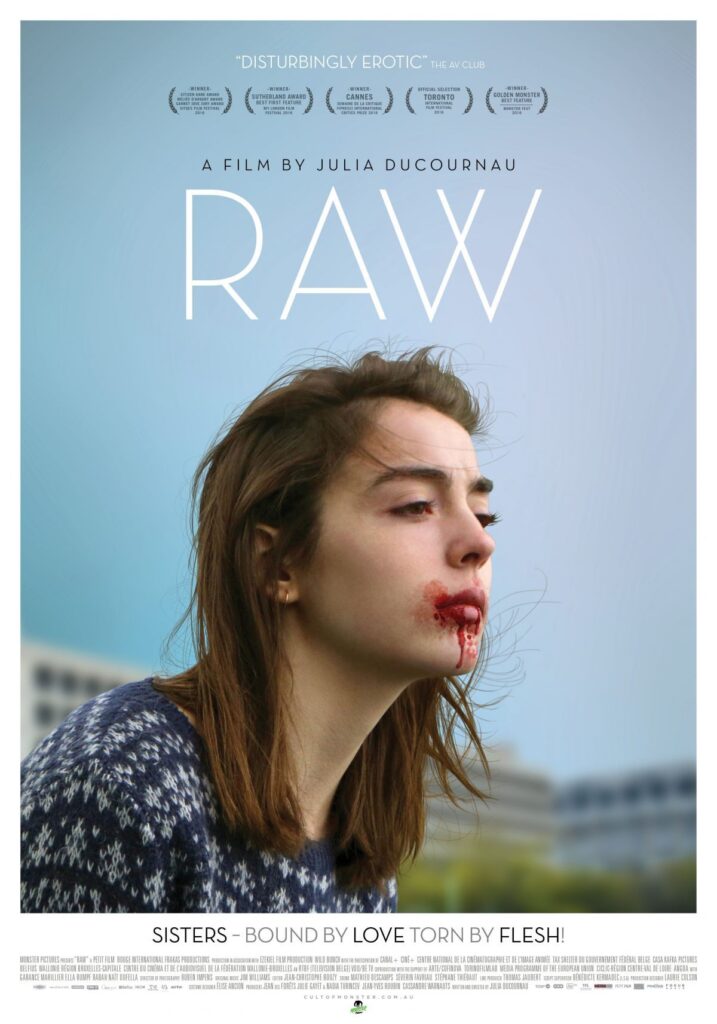
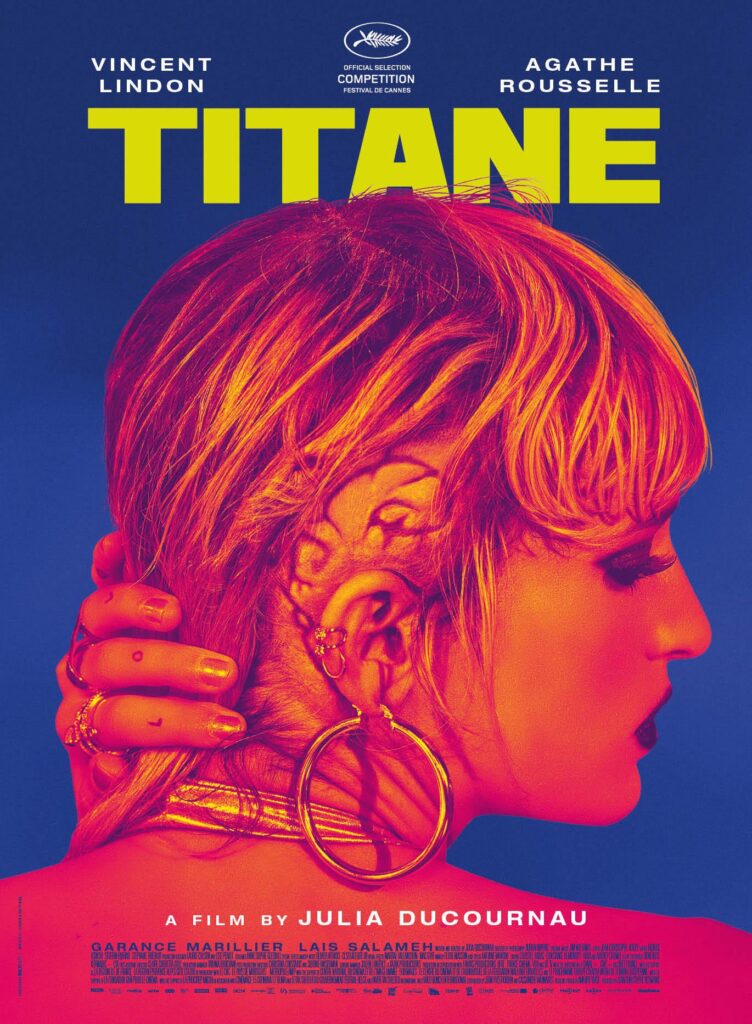
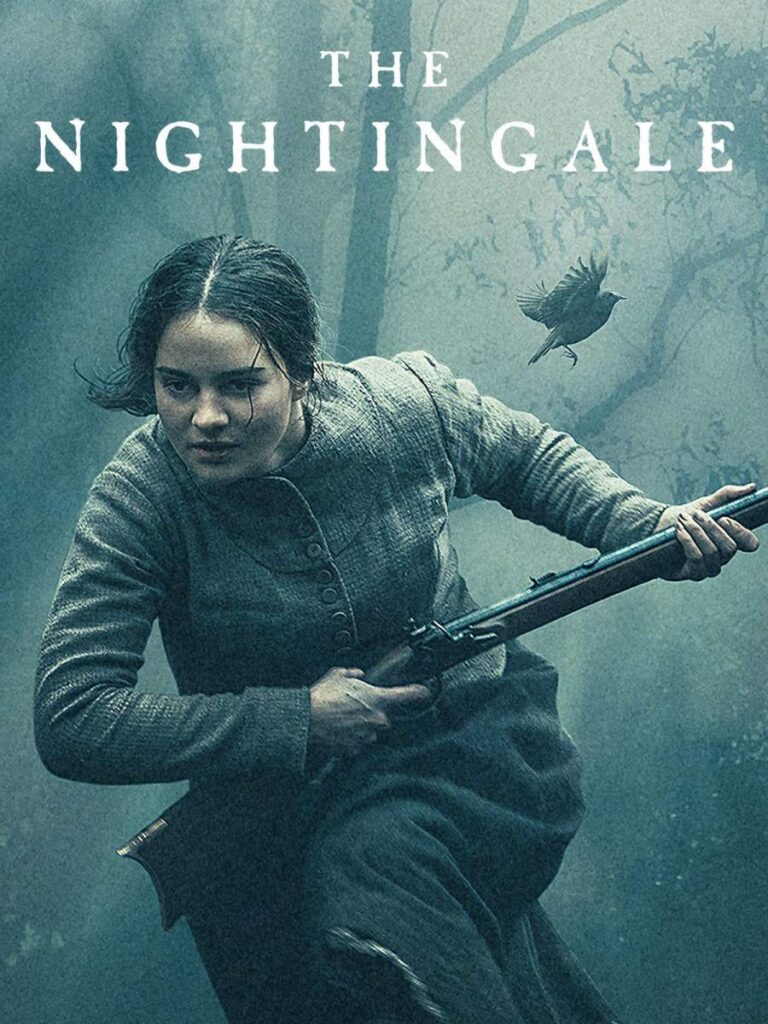
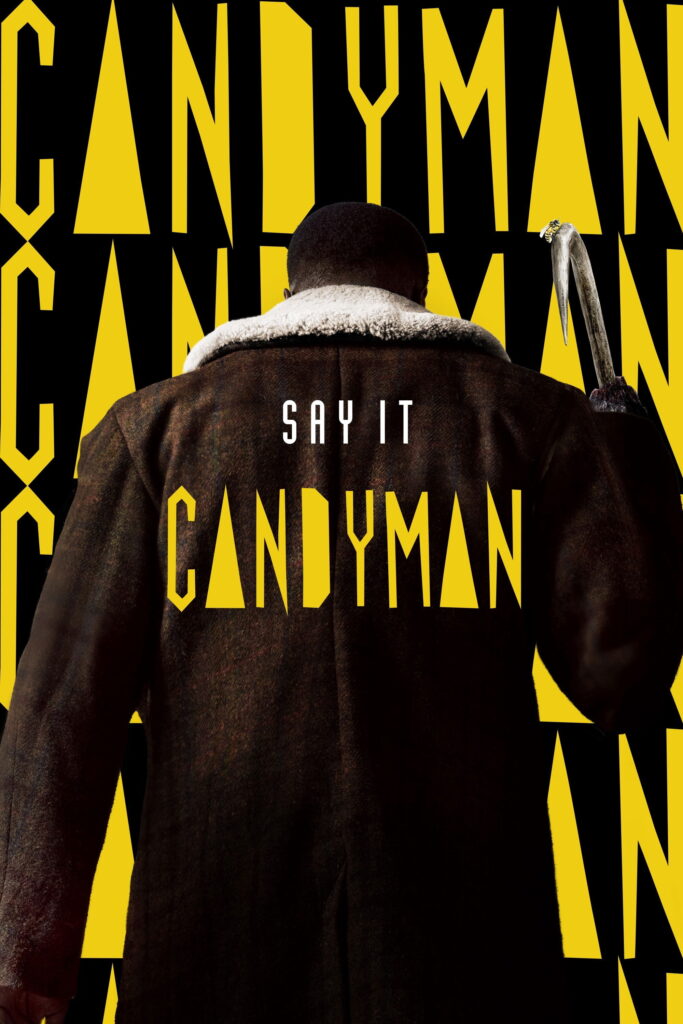
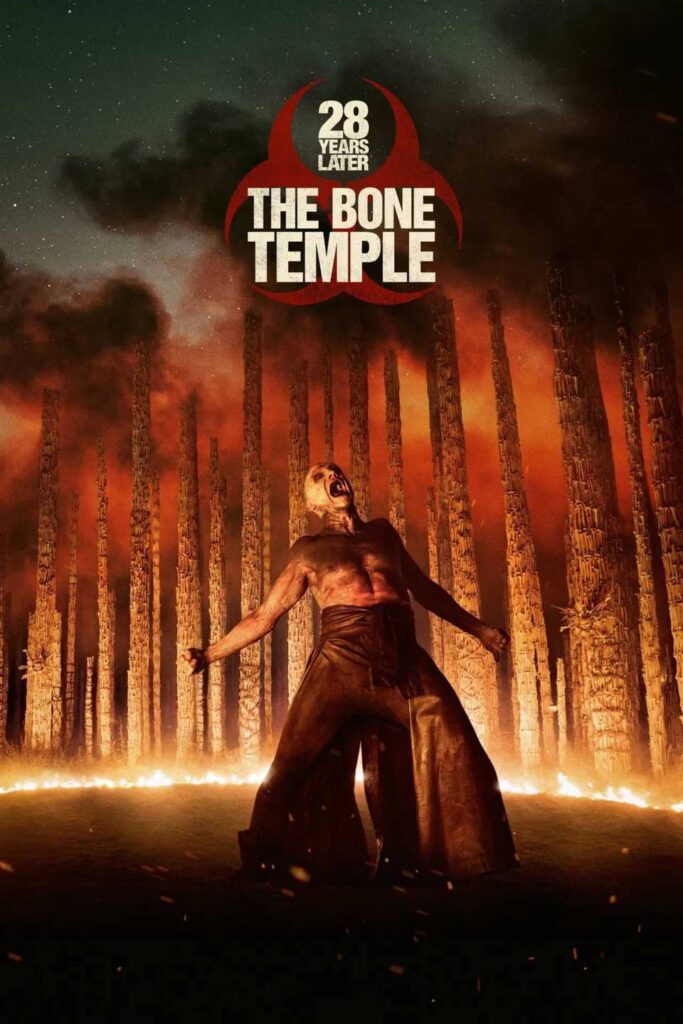
Coralie Fargeat: Revenge (2017), The Substance (2024) |Julia Ducournau: Raw (2016), Titane (2021) |
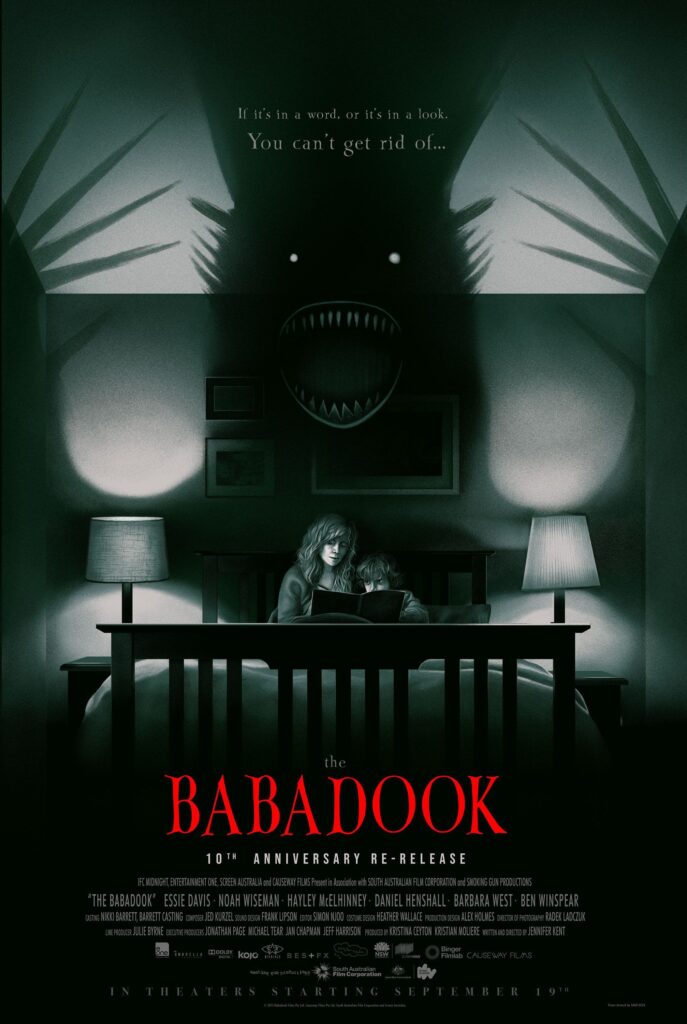
Jennifer Kent: The Babadook (2014), The Nightingale (2018) | Nia DaCosta: Candyman (2021), 28 Years Later: The Bone Temple (2026)
Jennifer Kent
Jennier Kent brings a trauma-literate intensity that understands fear as something that lingers. Her dread doesn’t end with the scare; it becomes aftermath: grief, rage, guilt, endurance. The “monster” in Kent’s horror is rarely only external. It is also memory, repression, caretaking, and the brutal effort of surviving what cannot be neatly resolved. The result is horror that feels emotionally inevitable, where the supernatural becomes a container for truths that realistic drama often can’t hold without blinking.
Nia DaCosta
Nia DaCosta expands the genre’s social reach without sacrificing craft or character. Her films pair striking imagery and intimate emotional work with cultural critique, showing how horror can function as both nightmare and mirror. She moves confidently between scales, from her sharp, contemporary extension of the Candyman legacy to franchise-sized storytelling that explores systems in collapse. That range is the point. She proves horror can carry myth, politics, intimacy, and spectacle at once, and still cut deep.
Together, these directors signal a shift that’s bigger than representation. They’re changing what horror dwells on: the body as a battleground, trauma as an ecosystem, society as a monster. In doing so, they widen what the genre can say, and how brutally, beautifully, and precisely it can say it.
Heavy Hitters
Modern horror’s momentum isn’t being pushed forward by any one trend; it’s being propelled by filmmakers with distinct obsessions and the confidence to follow them all the way down into the viscera. The directors below are consistently dancing at the genre’s edges: playing with audience expectations about tone, theme, and ultimately what horror can be.
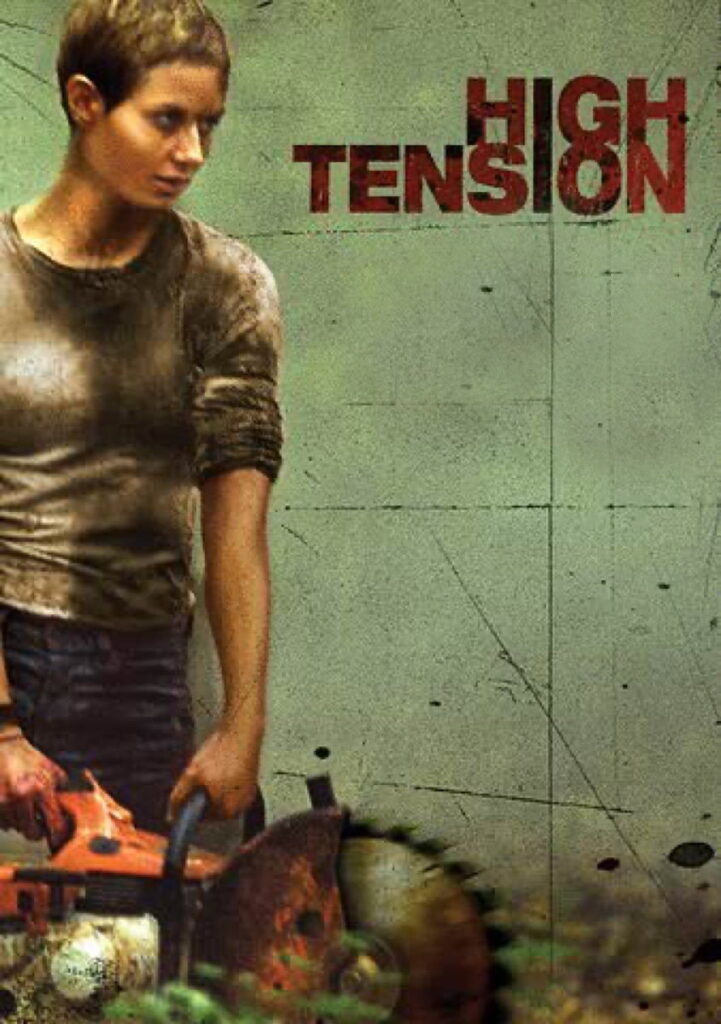
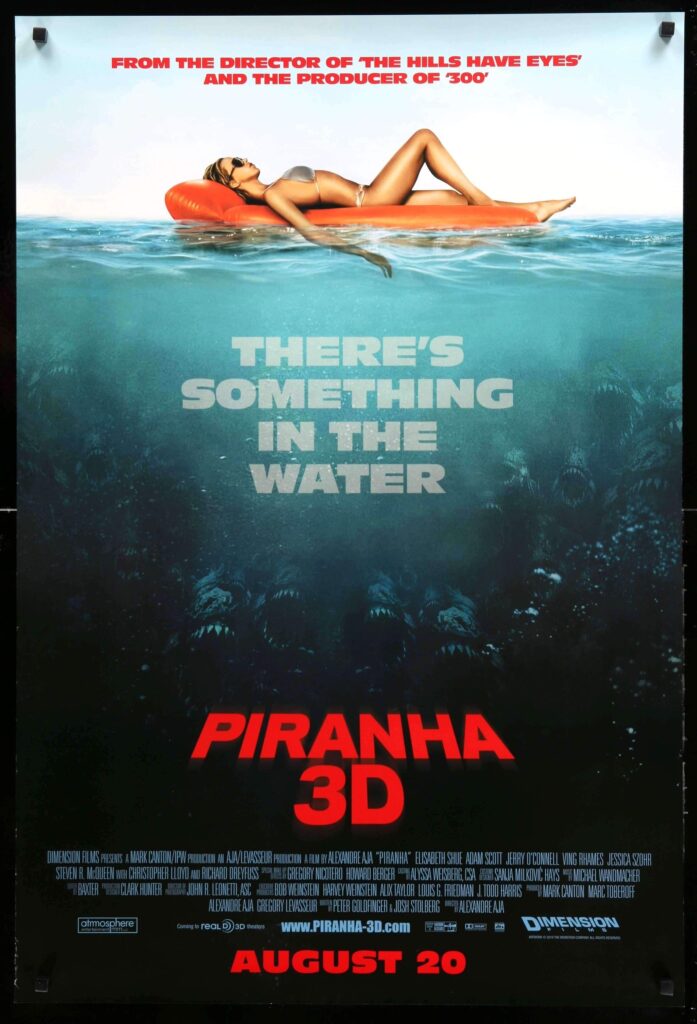
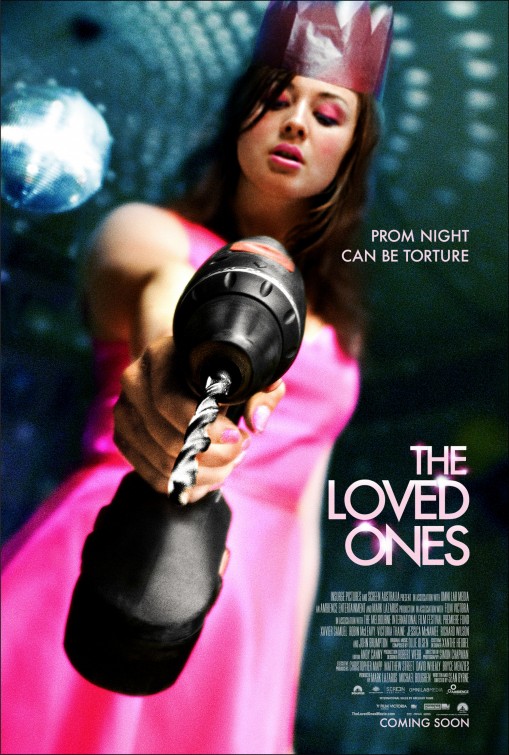
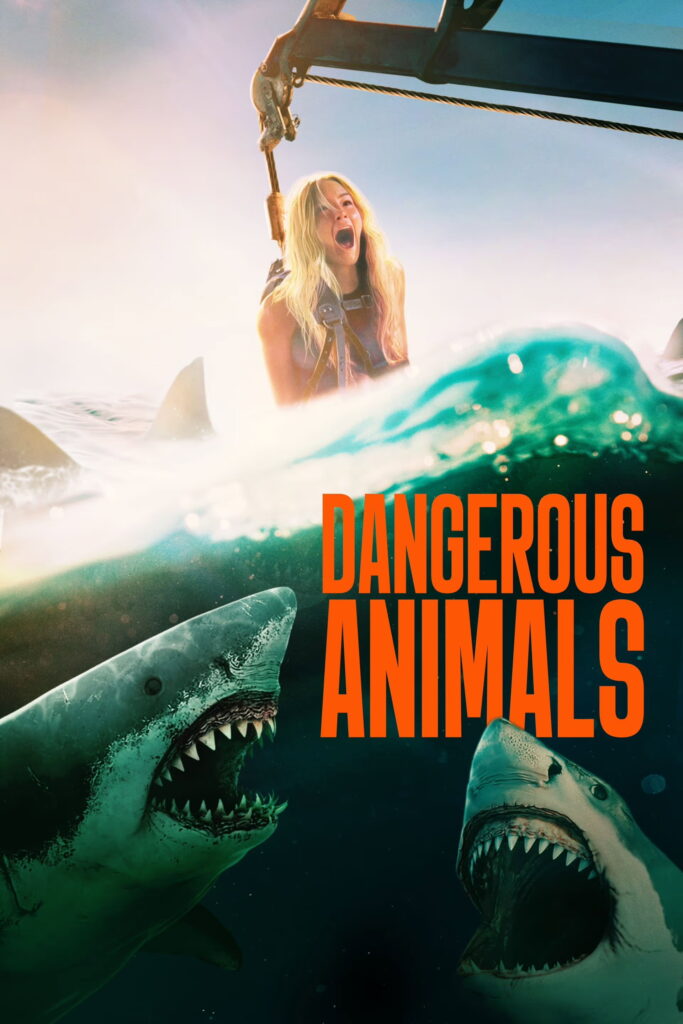
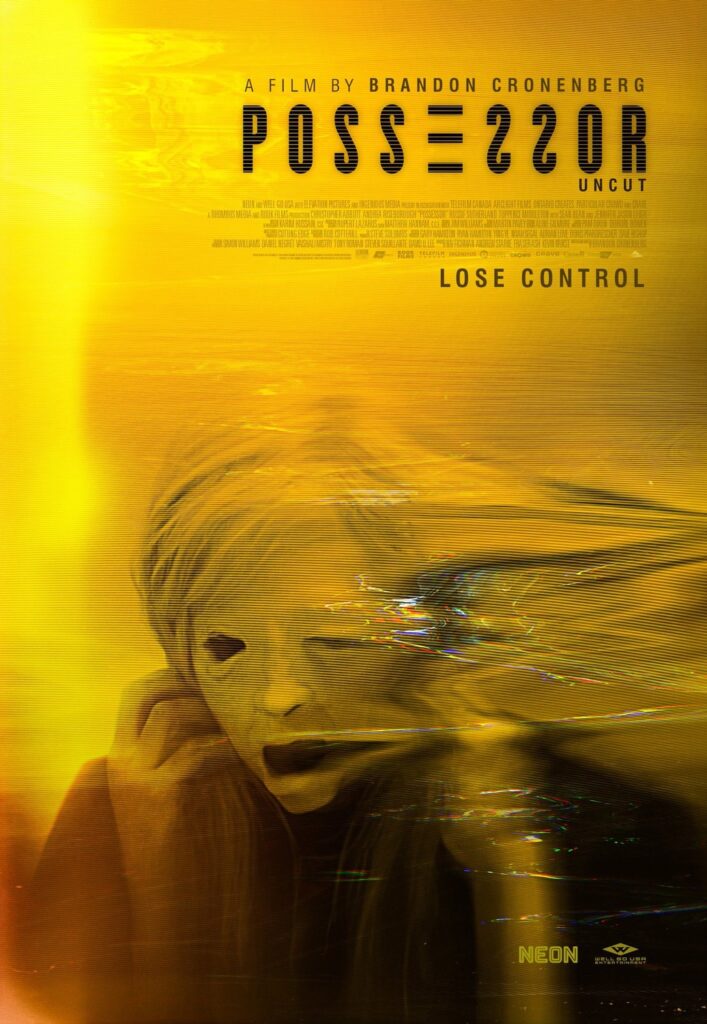
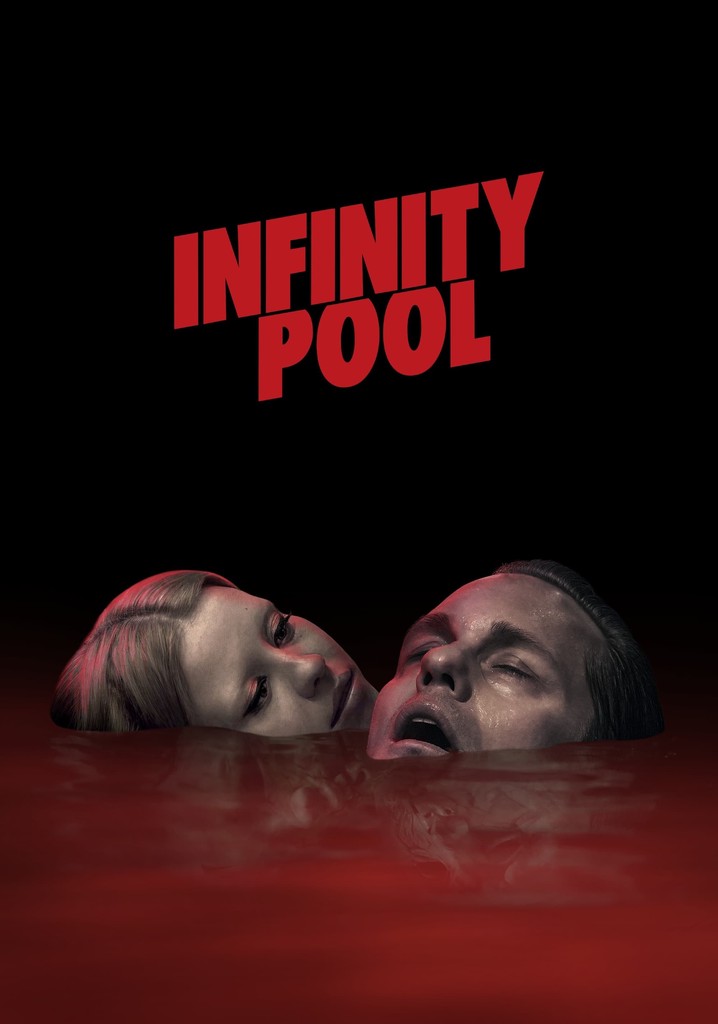
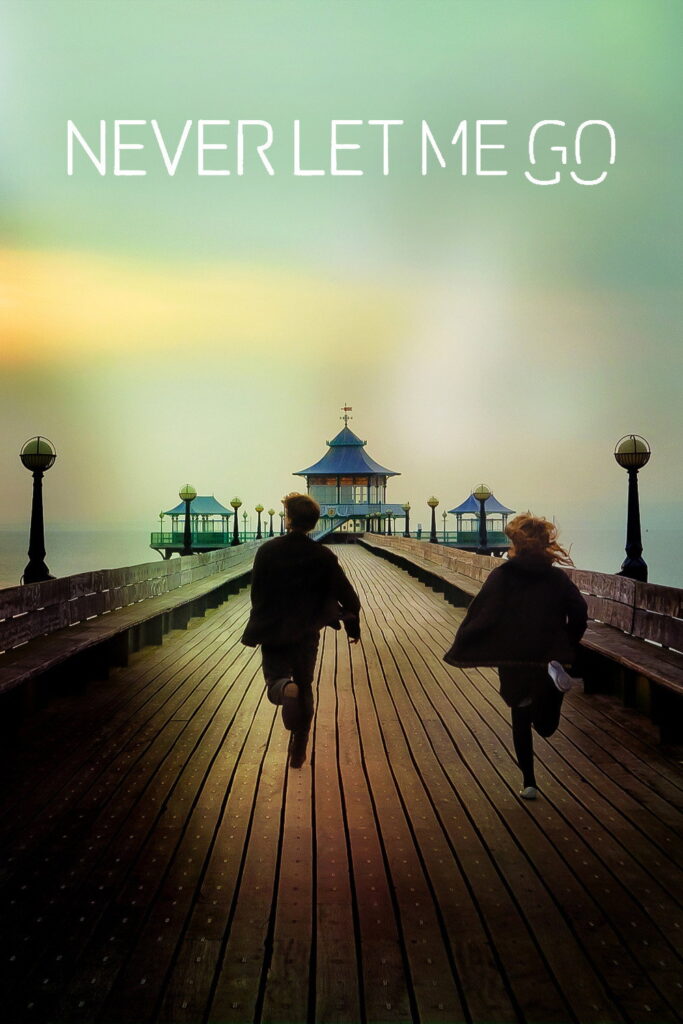
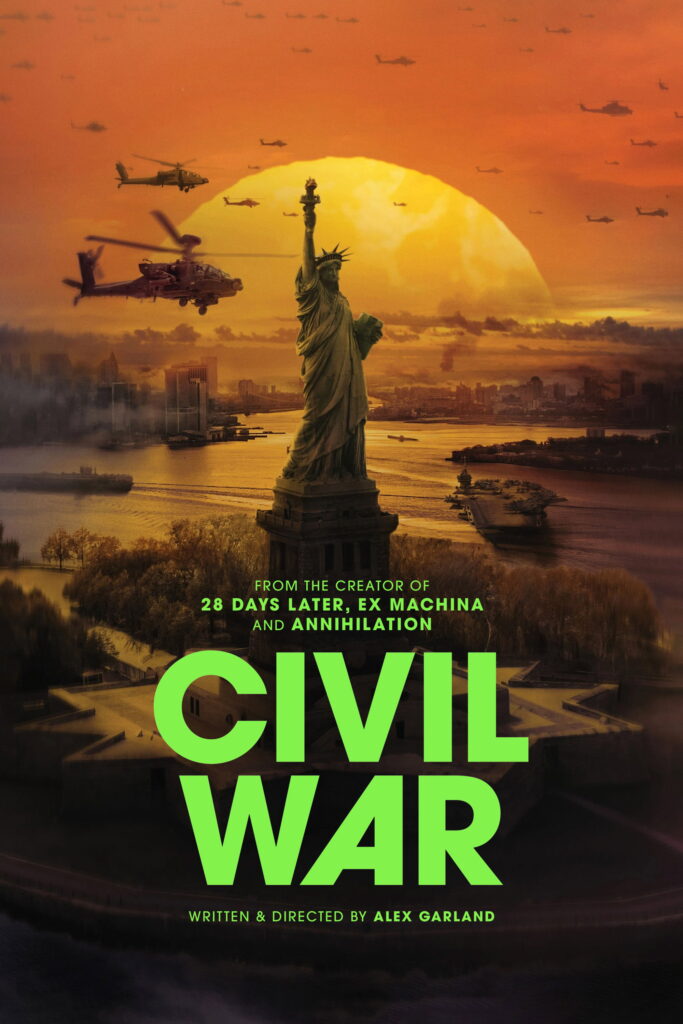
Alexandre Aja: High Tension (2003), Piranha 3D (2010) |Sean Byrne: The Loved Ones (2009), Dangerous Animals (2025) | Brandon Cronenberg: Possessor (2020), Infinity Pool (2023) | Mark Romanek (dir) Alex Garland (screenplay): Never Let Me Go (2010) | Alex Garland: Civil War (2024)
Alexandre Aja
Aja burst onto the international horror scene with High Tension, a ferocious, polarizing shocker whose twist ending still sparks arguments. Since then, he’s proven to be consistently underrated and unusually nimble across subgenres, jumping from gleefully over-the-top 3D creature chaos to tightly wound POV slashers and lean, high-concept sci‑fi two-handers.
Whether remixing classics or building originals from the ground up, Aja’s signature is craft-forward intensity and a filmmaker’s curiosity, making his filmography one of modern horror’s most varied (and reliably interesting) runs.
Recommended Viewing
High Tension (2003), The Hills Have Eyes (2006), Piranha 3D (2010), Horns (2013), Crawl (2019), Oyxgen (2021)
Sean Byrne
Sean Byrne makes lean, relentless thrill-ride genre films that still carry a surprising amount of subtext. In The Loved Ones and Dangerous Animals, he writes women with real power and agency across the full spectrum: victims, villains, and everything in between, then draws out ferocious, layered performances from his leads. The result is filmmaking that’s propulsive and crowd-pleasing on the surface, but sharper and more unsettling the longer it lingers.
Recommended Viewing
The Loved Ones (2009), The Devil’s Candy (2015), Dangerous Animals (2025)
Brandon Cronenberg
Brandon, the son of director David, has quickly staked out a singular corner of modern horror with Possessor and Infinity Pool, cold, provocative nightmares where identity, privilege, and violence blur into the same hallucinatory haze. With clinical direction and bursts of body-horror extremity, he turns high-concept sci‑fi premises into unnerving character studies that feel both brutally contemporary and unmistakably his own.
Recommended Viewing
Antiviral (2012), Possessor (2020), Infinity Pool (2023)
Alex Garland
Garland’s horror leans cerebral but never bloodless: intimate, idea-heavy stories where the real threat is often perception itself and what we’re capable of under pressure. From Ex Machina’s sleek techno-dread to Annihilation’s uncanny, grief-soaked cosmic horror his films are filled with philosophical exposition, clean structure, sharp dialogue, and images that linger.
When paired with a willingness to let ambiguity do the scariest work, his work demands repeated viewings. While panned by Critics and Audiences alike, I appreciated Men’s nightmare-fable obscurity. Even at his most abstract, he builds tension through atmosphere, implication, and escalation that feels inevitable rather than loud.
Even when he drifts into sci‑fi, Garland keeps circling the same meditation: What happens to the human mind when it’s forced to face something it can’t control?
Recommended Viewing
28 Days Later (2002), Sunshine (2007), Never Let Me Go (2010), Ex Machina (2014), Annihilation (2018), Men (2022), Civil War (2024)
Streaming:
Kanopy
Kanopy is the perfect “haunted library aisle” companion: horror movies sitting alongside smart, film-nerd-friendly nonfiction.
Beyond their comprehensive and thoughtfully developed collection of horror, Kanopy’s real treat is the documentary section.
There are many deep dives into horror history and the people who shape it, plus filmmaker-focused docs that often pair well with any viewing, featuring legendary directors like Lynch, Kubrick, and even Joe Dante.
It’s horror as both entertainment and study, it’s the closest thing to free film school that I am aware of. It’s one of my favorite resources and cannot say enought good things about it.
Kanopy Recommendations
| Year | Title | Director |
|---|---|---|
| 1960 | Peeping Tom | Michael Powell |
| 1980 | Maniac | William Lustig |
| 1986 | Blue Velvet | David Lynch |
| 1991 | Delicatessen | Jean-Pierre Jeunet & Marc Caro |
| 2001 | Ichi the Killer | Takashi Miike |
| 2007 | Teeth | Mitchell Lichtenstein |
| 2008 | Let the Right One In | Tomas Alfredson |
| 2009 | Enter the Void | Gaspar Noé |
| 2014 | Nightcrawler | Dan Gilroy |
| 2016 | A Dark Song | Liam Gavin |
| 2017 | It Comes at Night | Trey Edward Shults |
| 2021 | Titane | Julia Ducournau |
| 2022 | X | Ti West |
| 2023 | When Evil Lurks | Demián Rugna |
| 2023 | Infinity Pool (Uncut) | Brandon Cronenberg |
| 2024 | Lord of Misrule | William Brent Bell |
| 2025 | The Monkey | Osgood Perkins |
Shudder (AMC Networks)
Shudder is a subscription streaming service built specifically for horror, thriller, and supernatural titles, mixing newer releases, cult staples, and a couple of noteworthy originals and exclusives. The curated library feels less like endless scrolling and more like dropping into a midnight film festival where the films were selected with purpose.
Shudder Series & Exclusive Recommendations:
Cursed Films A docuseries that digs into the eerie real-life stories, accidents, controversies, and lingering myths behind iconic horror productions—part film history, part folklore, and consistently unsettling.
In Search of Darkness Vols 1-3 (series/films): A long, fan-fueled oral history of horror (best known for its deep dive into ’80s horror, year by year), packed with interviews from genre icons and creators, and built as a nostalgic, encyclopedic tour of the era’s trends, breakthroughs, and lasting influence.
Horror Noire: A History of Black Horror is a feature-length documentary that traces Black representation in horror, spotlighting landmark films, shifting stereotypes, and the creators who pushed the genre forward.
| Year | Title | Director |
|---|---|---|
| 2019 | One Cut of the Dead | Shin’ichirô Ueda |
| 2021 | Mad God | Phil Tippett |
| 2021 | The Spine of Night | Philip Gelatt & Morgan Galen King |
| 2021 | The Sadness | Rob Jabbaz |
| 2022 | Speak No Evil | Christian Tafdrup |
| 2023 | Stopmotion | Robert Morgan |
| 2023 | When Evil Lurks | Demián Rugna |
| 2023 | Late Night with the Devil | Cameron Cairnes & Colin Cairnes |
| 2024 | In a Violent Nature | Chris Nash |
| 2024 | Oddity | Damian Mc Carthy |
| 2024 | The Devil’s Bath | Veronika Franz & Severin Fiala |
Graphic Novels (and why they’re worth your time)
Horror comics and graphic novels are a masterclass in visual storytelling: pacing, composition, reveals, and atmosphere, plus they offer the freedom to get surreal, grotesque, or dreamlike without budget constraints. They’re invaluable for studying how short arcs land impact, how imagery carries theme, and how dread can live in a single panel.
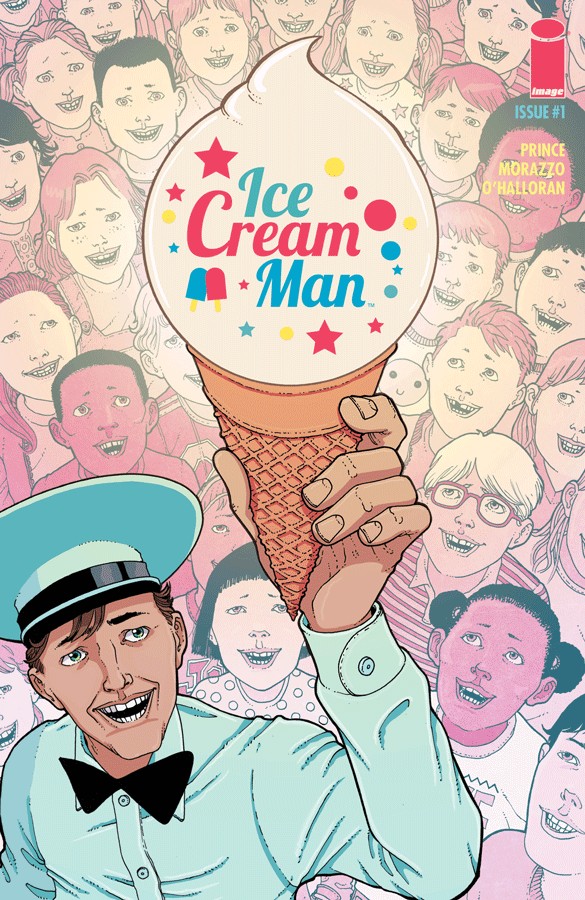
The Ice Cream Man (W. Maxwell Prince, Martín Morazzo, Chris O’Halloran)
An anthology of self-contained nightmares that swings from darkly funny to genuinely devastating, often with a weirdly tender emotional aftertaste. This series manages tone and shows how to build a complete horror “experience” within a very tight page count.
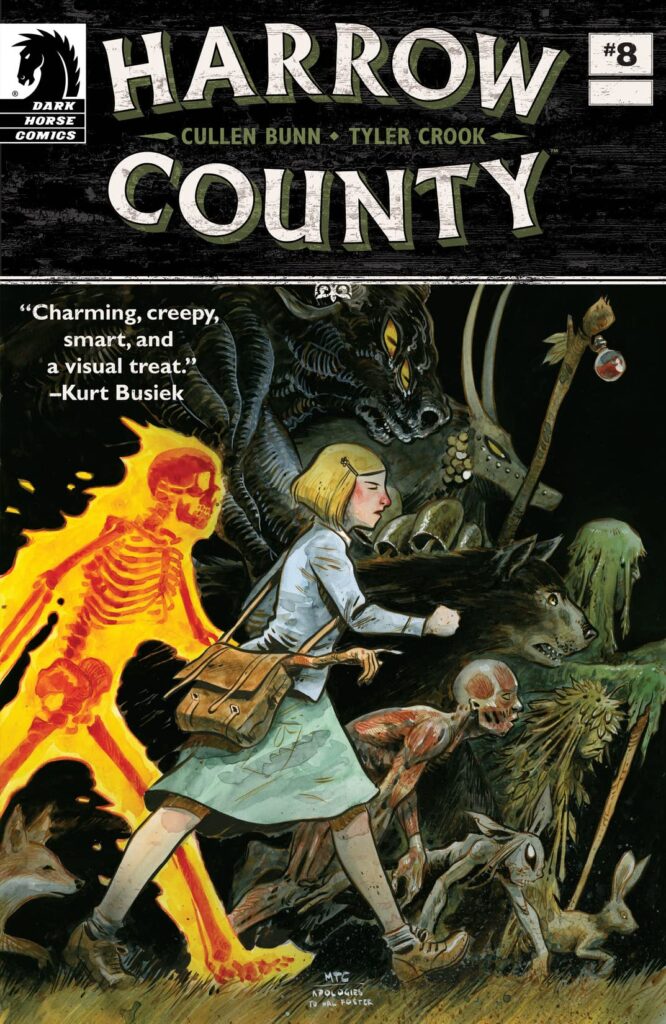
Harrow County (Cullen Bunn, Tyler Crook)
Southern gothic folk-horror with a slow-burn sense of place, empathy for its “monsters,” and escalating occult mythology. Useful for seeing how horror can be both cozy and unsettling while deepening character over a long arc.
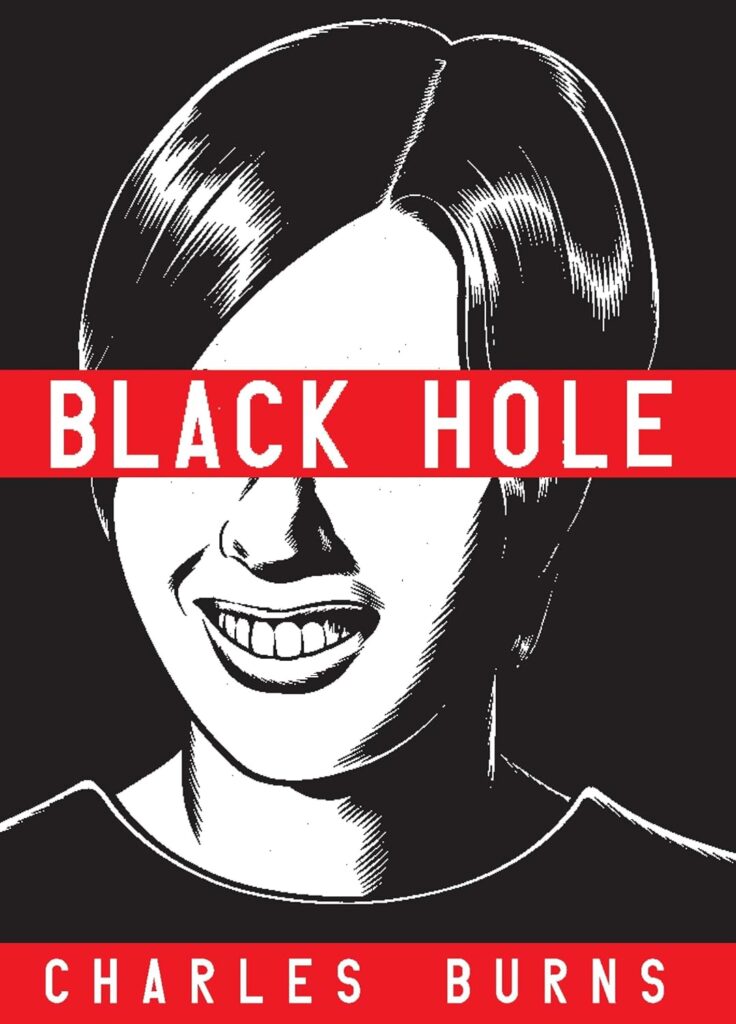
Black Hole (Charles Burns)
A bleak, intimate body-horror coming-of-age that uses physical transformation as metaphor without ever softening its edge. Essential if you’re interested in how the grotesque can carry vulnerability, alienation, and adolescent dread.
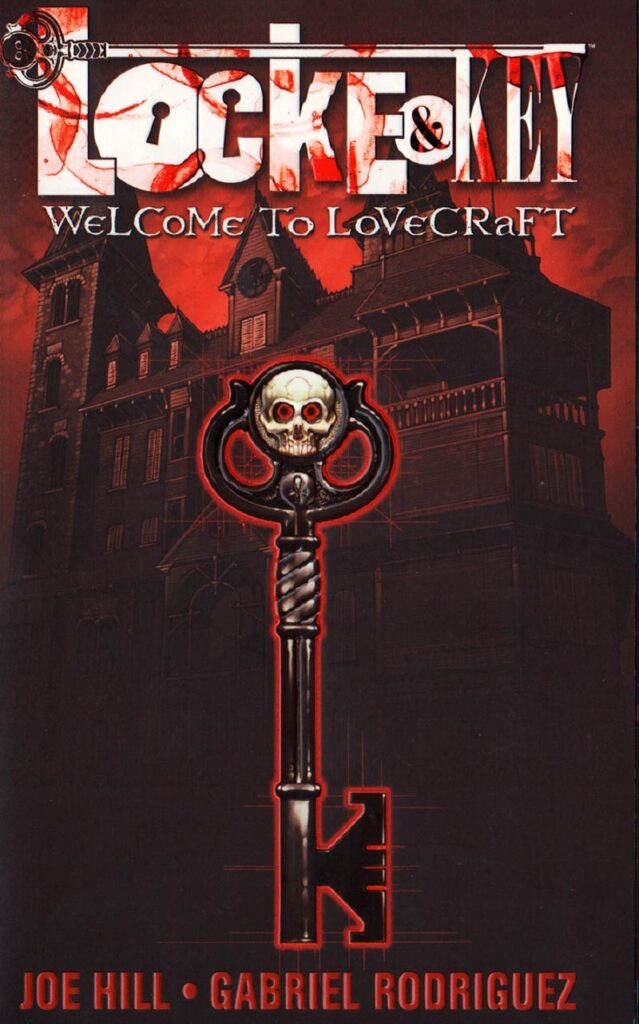
Locke & Key (Joe Hill, Gabriel Rodríguez)
A high-concept haunted-house saga where each key is basically a story engine, rules, consequences, and escalating revelations. This series is such a rewarding read, with the outstanding visual layout and artwork, fantastic set-ups/payoffs, myth-building, and they manage to keep a long narrative arc propulsive.
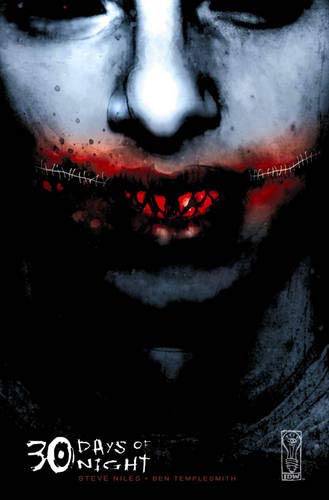
30 Days of Night (Steve Niles, Ben Templesmith)
A clean, brutal premise executed with speed and clarity: isolation, predation, and survival horror at scale. Wonderfully illustrates how a flawless concept, setting, and antagonist can do most of the narrative heavy lifting.
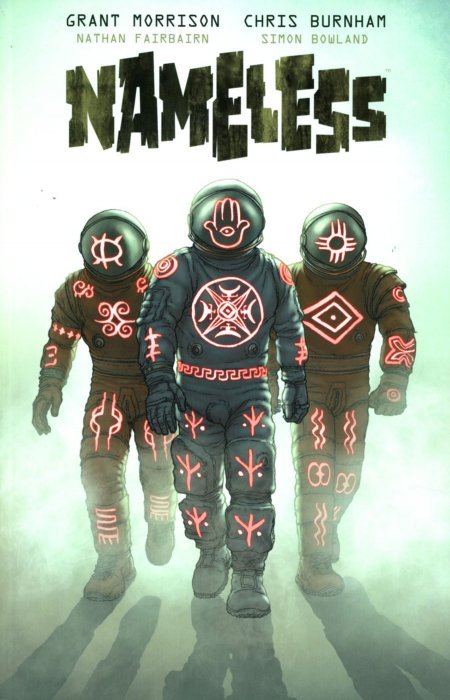
Nameless (Grant Morrison, Chris Burnham)
A hallucinatory, occult sci‑fi horror that plays like a panic attack in comic form; gory, symbolic, and constantly slipping between “cosmic” and deeply personal dread. The pages build an overwhelming atmosphere through visual density, dream logic, and escalating metaphysical stakes without ever fully explaining the rules.
Analysis & Critique:
Horror analysis is where the genre really opens up: themes sharpen, symbolism clicks into place, and “Why did that hit me so hard?” becomes a question you can actually trace through editing, sound, structure, performance, and point of view. For me, these voices articulate what the work the genre is doing, what it’s saying, and how horror transforms fear into meaning.
“Horror is the perfect genre for telling the truth.”
Guillermo del Toro
The Evolution of Horror
The Evolution of Horror, or the EOH, for those in the know, is Mike Muncer’s long-running horror podcast that tackles the genre one subgenre at a time, moving through horror history in a structured, chronological way.
Each season typically starts by defining the subgenre’s tropes and context, then works through key films (and oddities) with guest critics, writers, and filmmakers. It serves as both a syllabus and a deep-dive conversation for people who want to understand why a horror movie works, not just whether it’s scary.
Girl on Film (Rachel Barker)
Girl on Film brings a sharp analytical lens to horror with a strong interest in meaning and craft. Her take on Martyrs is especially helpful for processing a difficult film, what it’s trying to do, why it lands the way it does, and what it asks the viewer to sit with.
Novuum
A clean, idea-driven film analysis that’s great for research mode. Symbolism, structure, and theme-forward readings. Their essays on Midsommar and Hereditary offer a lot of food for thought, digging into grief, family, ritual, and the slow mechanics of dread.
In Praise of Shadows
Long-form horror essays that are well researched and reflective. Their two-part series on the Golden Age of Horror Comics is a standout piece of documentary work, storytelling, and analysis.
Reading:
Horror books can pull double duty: they sharpen your storytelling fundamentals and show you what the genre is capable of when it’s firing on all cylinders. The books below are the titles I return to for practical structure, fear mechanics, and big-picture genre context. The short-form story format proves how much impact horror can have in just a few pages.
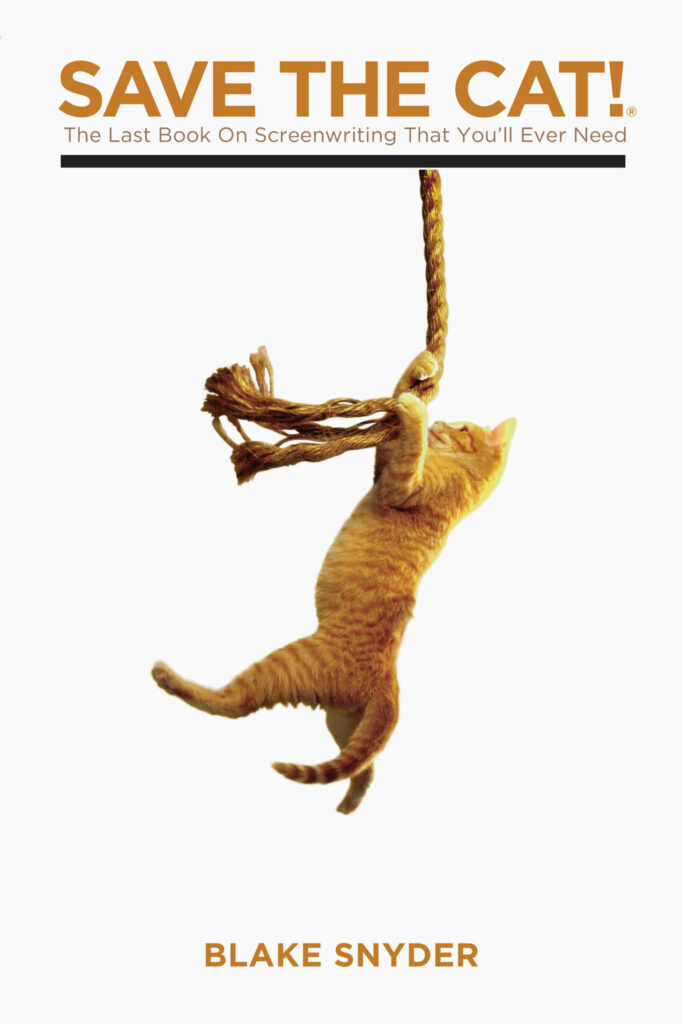
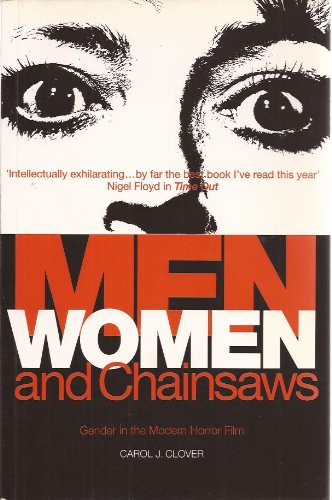
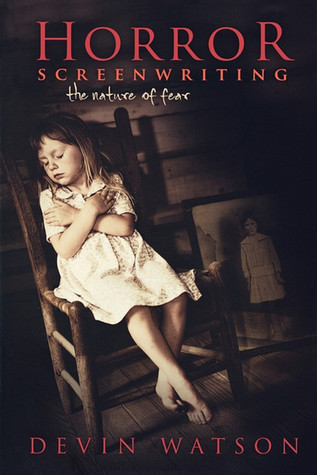
Blake Snyder Save the Cat!
A straightforward structure guide that works best for outlining and revision. Snyder’s 15-beat map is useful for checking pacing, turning points, and whether character change is actually landing, without requiring you to follow it rigidly.
Carol J. Clover’s Men, Women, and Chain Saws: Gender in the Modern Horror Film
A foundational horror studies text that takes slashers seriously and shows how gender, identification, and spectatorship actually work on the audience. Clover’s “Final Girl” framework maps the genre’s shifting power dynamics, and explains why horror can be more complicated (and subversive) than its reputation suggests.
Devin Watson’s FEAR: Horror Screenwriting – The Nature of Fear
A short, practical craft read focused on how horror works on an audience and how to pressure-test ideas before drafting. It frames fear as something you build through concept and clarity. verall, it’s more of a straightforward checklist-style guide than a deep theory text. I found it useful as a quick reference when outlining, even if it doesn’t break much new ground
3 questions to ask yourself – The Nature of Fear
- Has it been done before?
- Is the idea good enough to write down?
- Do you know what you are writing about?
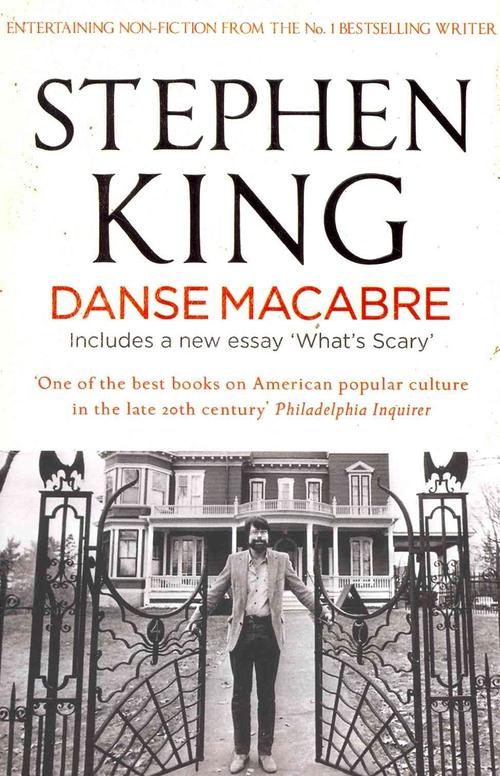
Stephen King’s Danse Macabre
King’s nonfiction love-letter and field guide to horror; part personal memoir, part cultural survey, tracking how scary stories work across books, film, TV, radio, and comics (especially mid‑century through the late ’70s). King connects genre trends to the anxieties of the times, then zooms in on the mechanics of dread: what gets under our skin, what becomes a fad, and what lasts. It’s opinionated and conversational rather than academic, but as a snapshot of horror’s “why” from one of its biggest practitioners, it’s a hugely useful map for readers and writers.
That Escalated Quickly – The Heiarchy of Terror
Terror → Horror → Gross-out
Stephen King’s well-known “escalation ladder” in the hierarchy of terror.
anticipation is “finest,” then horror of “the reveal”, then revulsion “gross-out” as a fallback.
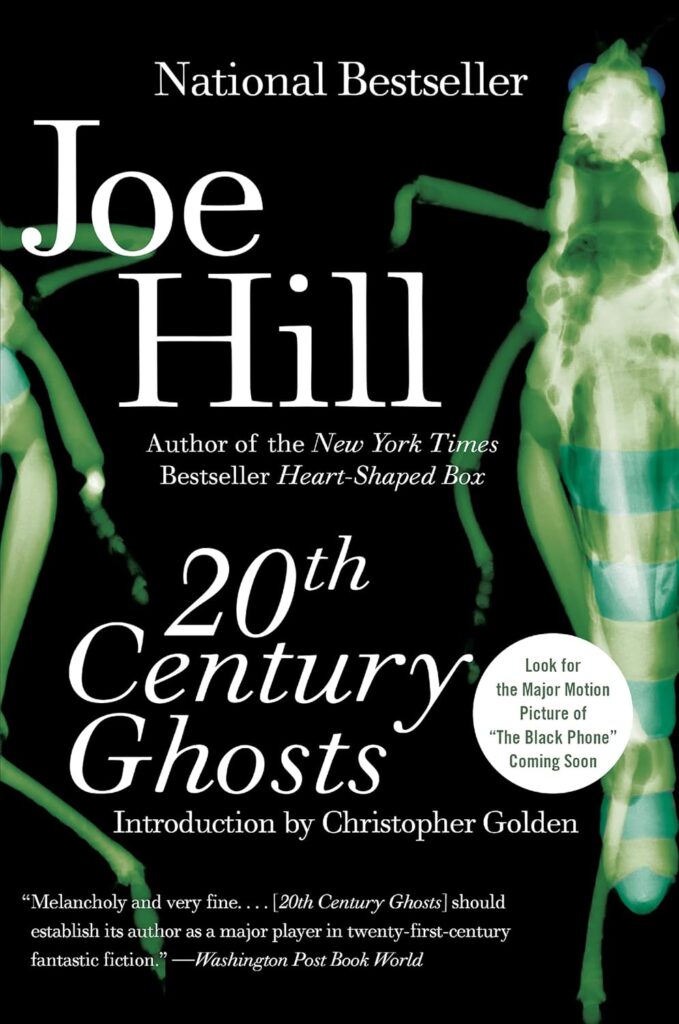
Joe Hill’s 20th Century Ghosts
A razor-sharp collection that treats horror as a toolkit, not a box—moving from quiet dread to gut-punch grief to darkly playful genre riffs with effortless control. Across haunted places, broken families, and pop-culture phantoms, Hill blends emotional intimacy with vivid scares, delivering stories that linger as much for their heart as their chill.
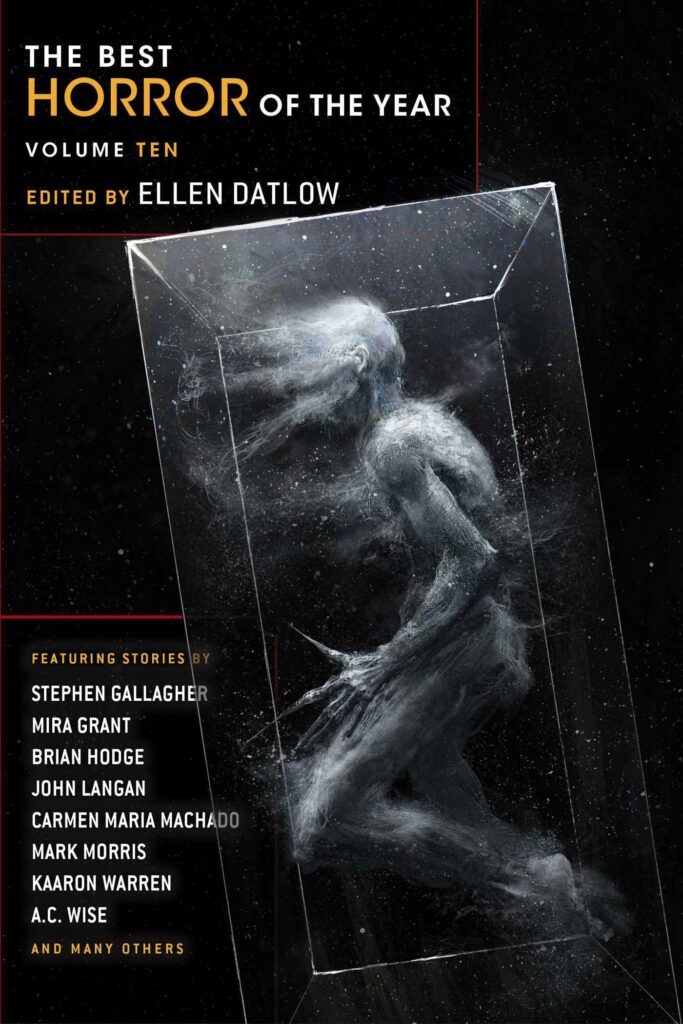
Ellen Datlow’s The Best Horror of the Year
Ellen Datlow’s The Best Horror of the Year series is an annual snapshot of what short horror is doing right now: a curated mix pulled from magazines, anthologies, and collections, selected to represent the year’s strongest work across tones and subgenres. Beyond the stories, the volumes highlight emerging voices alongside established names, making the case that horror’s best form is often the short one: sharp, strange, and hard to shake.
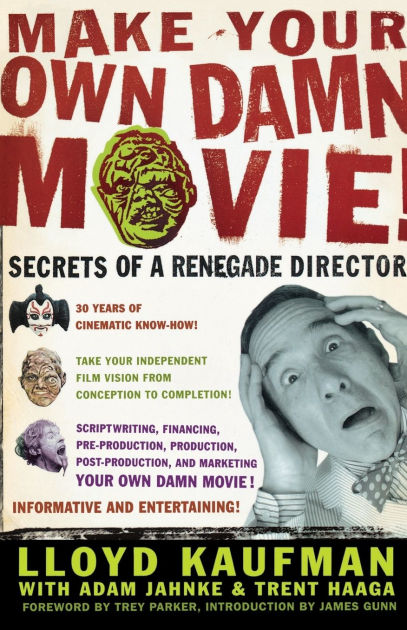
Lloyd Kaufman’s Make Your Own Damn Movie
A scrappy, nuts-and-bolts pep talk for getting films made when you don’t have money, permission, or industry access. Less about perfect craft and more about momentum: practical problem-solving, DIY production mindset, and the morale boost of realizing constraints can be a creative advantage.
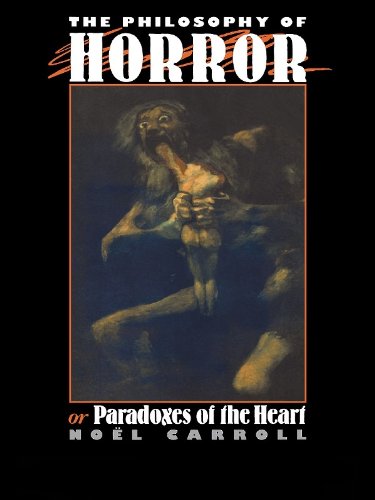
Noël Carroll’sThe Philosophy of Horror: Or, Paradoxes of the Heart
A clear, argument-driven look at the central puzzle of the genre: why we seek out art designed to disgust, frighten, or disturb us. Carroll breaks horror down into how it functions (emotionally and structurally), giving you language for “what counts as horror,” how monsters operate, and why curiosity and revulsion can coexist in the same viewing experience.
Some of the observations and notes in this article are compiled and synthesized from sources cited throughout, including: Noël Carroll, The Philosophy of Horror: Or, Paradoxes of the Heart (1990); Stephen King, Danse Macabre (1981); Alfred Hitchcock & François Truffaut, Hitchcock/Truffaut (1966/67); Carol J. Clover, Men, Women, and Chain Saws: Gender in the Modern Horror Film (1992); Devin Watson, FEAR: Horror Screenwriting – The Nature of Fear; and Blake Snyder, Save the Cat!