

The phrase “Good artists copy, great artists steal,” resonates with me when I think about Netflix’s 2017 documentary series, “Abstract: The Art of Design,” as it makes me want to be a great artist and pilfer everything I can from its contents.
Through interviews with today’s innovative designers, the docuseries illustrates the unseen ways design influences our lives. It challenges the viewer to constantly reevaluate methods and perspectives, making it both inspiring and enlightening.
The two-season, 14-episode series explores the core concept that design is a complex idea in its simplest form, creating elegance and balance. It also reveals how empathy-driven design prioritizes human needs to create purposeful, lasting solutions, and provides ample food for thought.
With a score by Mark Mothersbaugh and each episode edited and stylized around the designer’s creative process, each episode feels like an opportunity to appreciate and expand on how we can apply the rules of design to facets of our own lives.
Even if you don’t have Netflix, you can still enjoy the first (and best) season for free. Highly recommended viewing, and I wanted to share some of my takeaways from the series.
Key Takeaways
With each episode individualized, one of my favorite consistencies across the episodes is the fact that each designer is a leader or a complete pioneer in their industry. The path of a designer is an intrepid one. In the era of fevered egos, it is refreshing to see the humility with which they approach their craft.
Designers are not ego-driven artists creating for a sense of self or identity, but creators who look to solve real-world problems by bridging the space between art, dreams, and science, with empathy, collaboration, and feedback at their core. Unlike artists who prioritize personal style, designers are centered on user experience, ensuring accessibility and functionality.
I love every single episode of this series. I wanted to highlight some of my favorites below.
“Art helps us identify with one another and
Olafur Eliasson
expands the notion of ‘we’ from the local to the global.”
Episode Highlights
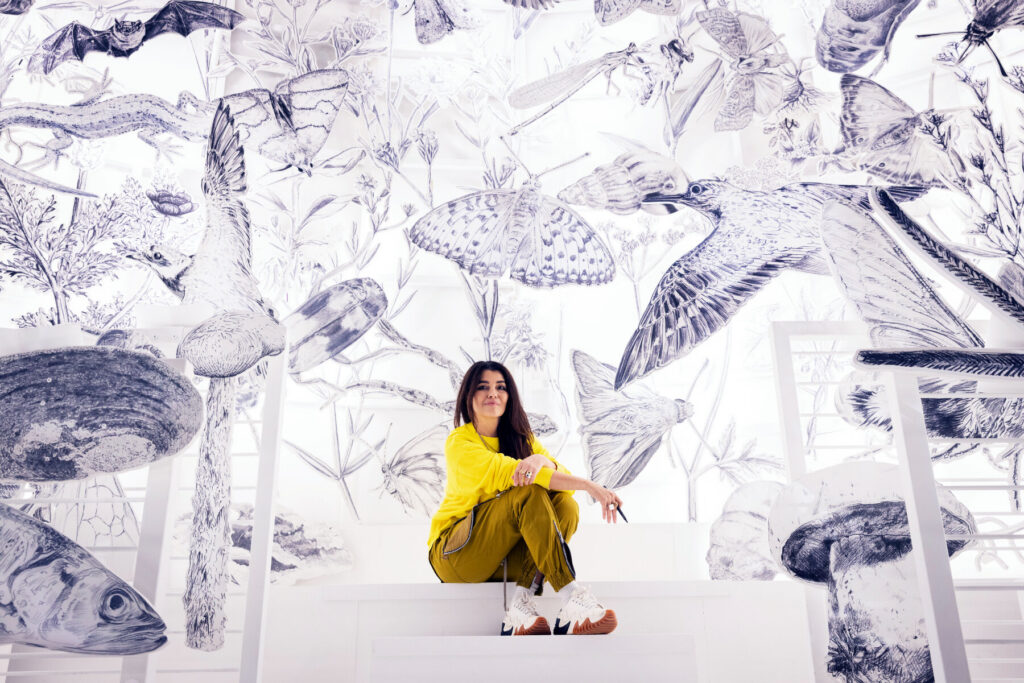
Es Devlin – Stage Design
Es Devlin designs spaces that elicit raw emotion and demand consideration, creating interactive environments that tell a story using personal and narrative elements. The concept of a void or empty space as an artist’s medium (like a blank canvas) was revelatory to me.
The process she uses to fill empty spaces with complex psychological elements and encourages participation and interaction means that the viewer, by extension, becomes part of the exhibition itself.
Her use of dynamic lighting is just as compelling as her ability to remove light to build mood and shape perception. This is greatly deepened with the use of mirrors and reflections to create dizzying, infinite kaleidoscopic environments that blur the boundaries of reality.
The Es Devlin episode made me acutely aware of how we are always perceiving the space around us (whether we realize it or not) and how it shapes our experience, that design can engage all of your senses and create spaces that go far beyond what the eye can see.
“A stage is not just a place, but an event that engages the audience.”
Es Devlin
Tinker Hatfield – Footwear Design
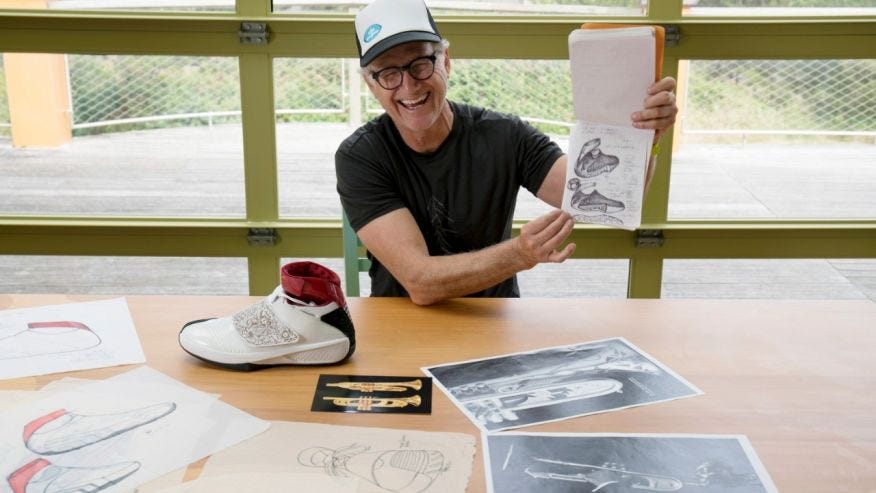
Hatfield seamlessly merges fashion with functionality, revolutionizing athletic footwear through innovative designs that push the boundaries of both aesthetics and performance. His approach challenges traditional sneaker norms by infusing architectural principles, drawing inspiration from diverse and unconventional sources.
Hatfield’s work embodies a bold vision, incorporating advanced technology and materials that redefine movement and comfort, while still retaining an iconic style that resonates across cultures. His designs don’t just cater to athletes; they create a statement of individuality and expression.
Through his groundbreaking Air Max and Air Jordan lines, Hatfield has elevated footwear to a form of modern art. Each piece he designs highlights his ability to anticipate and influence trends, creating shoes that are as cutting-edge in function as they are in form.
The Tinker Hatfield episode showed me how thoughtful design can transcend functionality, transforming an everyday item into a compelling narrative and possibly a cultural phenomenon. This article is a nice companion piece if you enjoy this documentary.
Design & Creativity: “Art is something that you can build on, and you can grow with it.”
Innovation: “It’s really important to break some rules and push boundaries.”
Inspiration: “I like to draw inspiration from everything around me, not just from expected sources.”
Challenges: “Great design comes from great challenges.”
“Always be a storyteller”
Tinker hatfield
Bjarke Ingels – Sustainable Architecture
Bjarke Ingels celebrates sustainable, dynamic designs that challenge conventional architecture, creating iconic structures that blend creativity with ecological responsibility. His approach redefines the balance between form and function, integrating nature with urban environments in innovative and unconventional ways.
Ingels is known for his ability to transform simple concepts into extraordinary spaces, as seen in his Lego House. This playful yet profound creation embodies his philosophy of incorporating engaging elements into architecture, making spaces both functional and delightful.
By emphasizing sustainable development, Ingels designs buildings that are not only environmentally friendly but also enhance the quality of life. His visionary projects promote resilience and adaptability, presenting architecture as a living entity that evolves with its surroundings.
The Bjarke Ingels episode illustrates how thoughtful design can lead to a more harmonious coexistence with our planet, reshaping the way we inhabit space.
“You have to break free from the traditional idea
Bjarke Ingels
that architecture is just about making buildings.”
Thought Leadership
The thought leadership showcased in the series is compelling. It highlights how, in any field, there are countless opportunities to innovate with fresh perspectives. From my viewing, I’ve learned that design transcends conventional boundaries by intersecting with technology, nature, and culture, emphasizing collaboration and the interdisciplinary nature of modern design.
Designers are storytellers. From the clothes that dress an actor to the stage they perform on, a story is conveyed before a single line of dialogue is spoken. The series illustrates how deeply design communicates ideas and emotions, shaping our worldview.
Empathy is the cornerstone of design. I appreciated how the series repeatedly emphasized the importance of understanding human experiences and needs. Good design involves not only caring for each other but also caring for the planet. The significance of sustainable design is highlighted through solutions that positively impact both society and the environment.
Designers are big dreamers. Whether it’s self-lacing shoes or creating the LEGO Headquarters building, creation is an opportunity to dream big. By celebrating creativity, the series encourages viewers to push boundaries and embrace imaginative thinking and uncommon solutions. It’s a great reminder to dream big and push past the uncomfortable to seek the uncommon, too.
Principles of Design
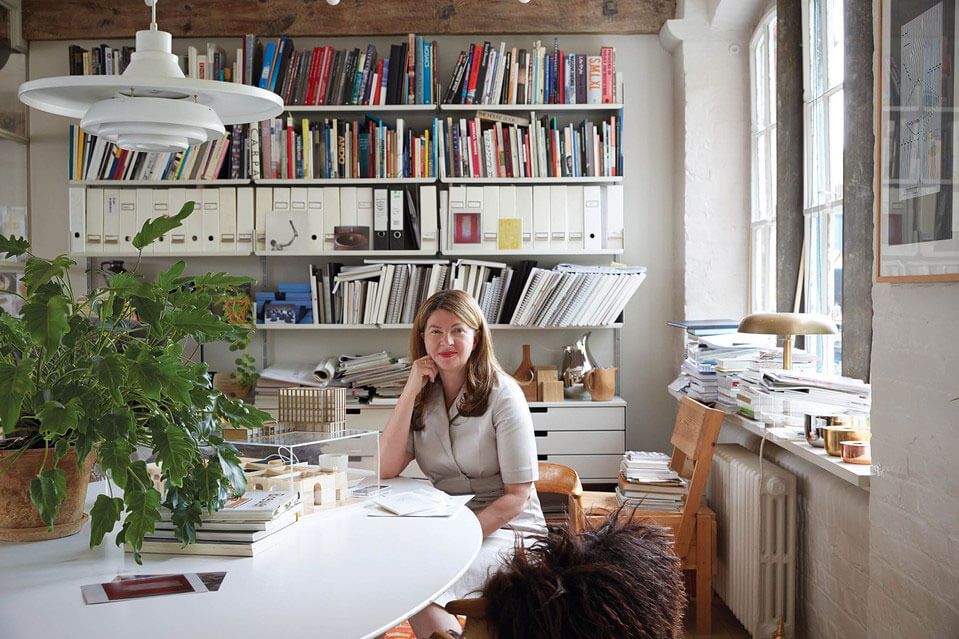
“Empathy is the cornerstone of design.”
Ilse Crawford
Undoubtedly, part of the allure for me was the insights these designers casually shared throughout each episode. These expert-level principles of design represent hard-earned wisdom through experience distilled into thoughtfully crafted statements about the design process.
Each time I revisit these insights, they have helped shift my perspective. With that said, this greatly enhances both the series rewatchability and inherent value as a tool for creatives.
- “Art is not about decorating a space, but about creating an experience.” – Olafur Eliasson
- “Design is the bridge between science and art.” – Neri Oxman
- “Design is really about solving problems.” – Ian Spalter
- “Good design encourages creativity.” – Cas Holman
- “Clothing acts as a storyteller, revealing identity and culture.” – Ruth E. Carter
- “Solve Problems in an unproblematic way” – Bjarke Ingels
- “You have to practice and become better. Every athlete, every musician practices every day. Why should it be different for artists?” – Christoph Niemann
- “You have to see what you don’t want sometimes to know what you do want.” – Ruth E. Carter
- “Always be a storyteller” – Tinker Hatfield
- “For me, a very complex world has to be simplified. Has to be stripped down. And design, for me, was a way out of confusion. Because great design simplifies a very complicated world.” – Platon
Stream The Art of Design Season 1
No Netflix? No worries! You can find Season 1 for free on YouTube. I particularly enjoyed Bjarke Ingels, Es Devlin, and the photographer Platons episodes this season.
Season 2
While not as popular as Season 1, I also enjoyed Season 2 of “The Art of Design”. This season continues the journey into innovation and creativity (Available on Netflix). It features pioneers and visionaries who are transforming their fields, bringing fresh insights and inspiring ideas to the forefront.
- Olafur Eliasson – Installation Art: Focuses on perception and the environment, using light and natural elements to transform and engage spaces.
- Neri Oxman – Bio-Architecture: Integrates biology with design to create harmonious, innovative structures.
- Ruth E. Carter – Costume Design: Redefines identity and heritage through culturally significant costume designs.
- Cas Holman – Toy Design: Encourages creativity in children, emphasizing play as a vital learning tool.
- Ian Spalter – App Design: Enhances user experience, making technology more accessible and user-friendly.
- Jonathan Hoefler – Type Design: Influences communication and branding through masterful font design.